

Blog
Biogenic Soil Sense Team Completes Comprehensive Training at University of Ruhuna
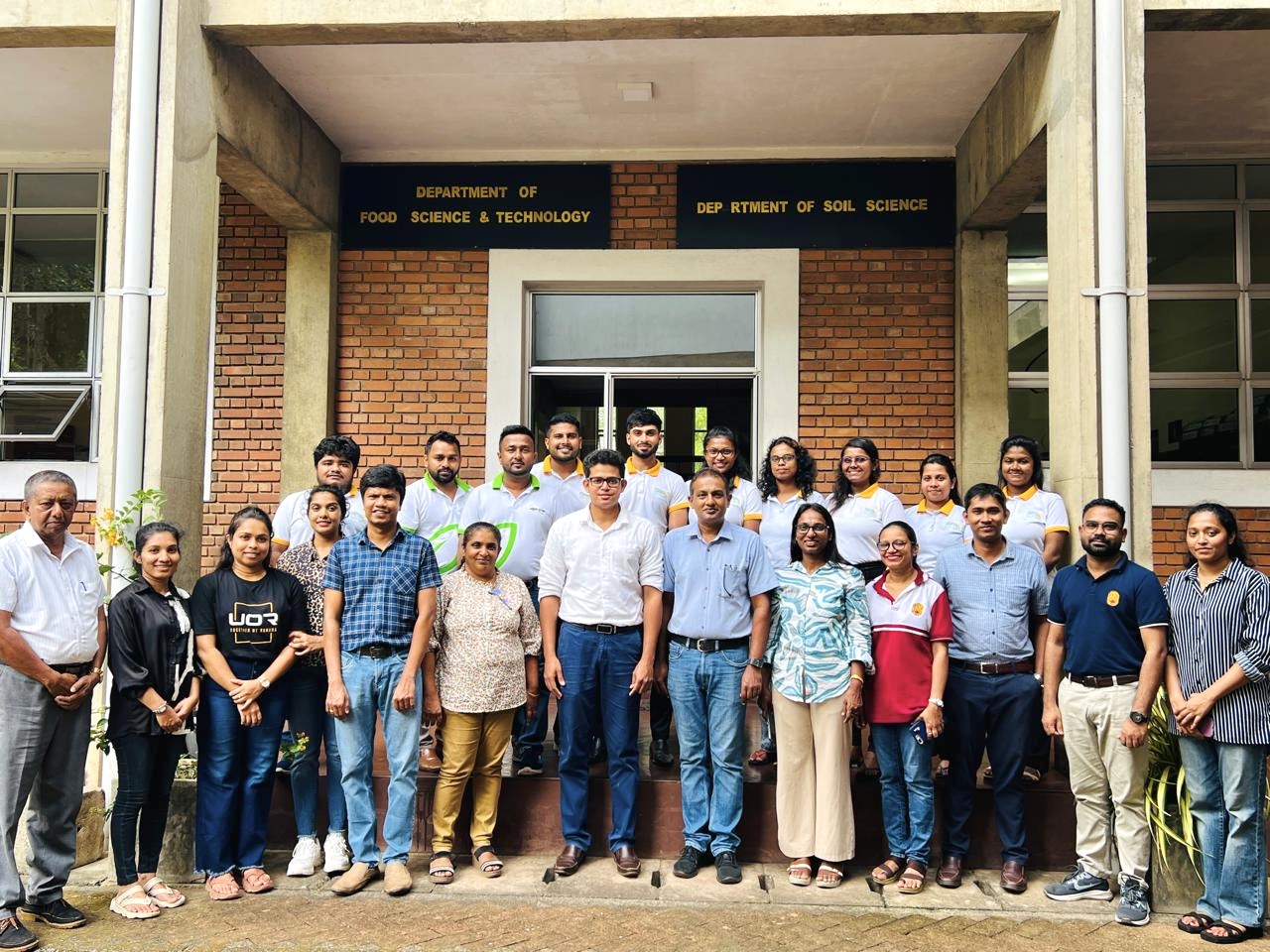
Advancing Soil Science Excellence: Biogenic Soil Sense Team Completes Comprehensive Training at University of Ruhuna
Biogenic Soil Sense (Pvt.) Ltd. is pleased to share the successful completion of an intensive two day training program with the Department of Soil Science, Faculty of Agriculture, University of Ruhuna. The workshop, titled “Soils from Field to Lab: Soil Sampling and Emerging Soil Testing Technologies,” equipped our entire team with advanced knowledge and practical skills that directly strengthen our capacity to deliver precision soil advisory services across Sri Lanka.
This comprehensive program brought together theoretical foundations, emerging technologies, and hands-on field and laboratory experience, ensuring our team is prepared to support evidence-based agricultural decision-making through accurate, context-aware soil assessment.
The Foundation of Agricultural Excellence
At Biogenic Soil Sense, we understand that reliable soil intelligence is the cornerstone of sustainable agriculture. However, achieving accuracy in soil assessment requires more than equipment, it demands deep scientific understanding, rigorous methodology, and context-specific expertise tailored to Sri Lanka’s diverse agro-ecological landscape. This training addressed all these critical dimensions through sessions led by distinguished faculty and researchers from the University of Ruhuna.
Expert Faculty and Participants
The workshop brought together distinguished experts and practitioners, including:
- Prof. Rajika Amarasinghe, Department of Soil Science, University of Ruhuna
- Prof. Buddhi Walpola, Department of Soil Science, University of Ruhuna
- Dr. Chamila Wijekoon, Department of Soil Science, University of Ruhuna
- Dr. Thanuja Liyanage, Department of Soil Science, University of Ruhuna
- Dr. Jinendra Siriwijaya, Department of Soil Science, University of Ruhuna
- Mr. Sandun Piyaruwan, Department of Soil Science, University of Ruhuna
- Mr. Udaranga Samarawickrama, Department of Soil Science, University of Ruhuna
- Staff members of the Department of Soil Science
- The complete staff of Biogenic Soil Sense (Pvt.) Ltd.
Comprehensive Knowledge Transfer
Over two intensive days, our team engaged with a curriculum that spanned the complete soil assessment workflow from understanding fundamental soil science principles to mastering field sampling techniques, interpreting laboratory analyses, and leveraging emerging technologies for rapid diagnostics.
The program began with foundational concepts, exploring soil as a dynamic, living ecosystem rather than simply a substrate for plant growth. Our team gained deeper appreciation of soil components and their interactions, and how soil functions extend beyond crop production to include ecosystem services, water filtration, and environmental regulation. Building on these foundations, the training addressed soil properties and their measurement, providing enhanced understanding of the physical, chemical, and biological characteristics that determine soil behavior and fertility. This knowledge directly improves our ability to interpret laboratory results and translate them into actionable recommendations for our clients.
Mastering the Science of Soil Sampling
One of the most practically valuable components focused on soil sampling methodologies, a critical competency where accuracy in the field determines the reliability of all subsequent analysis and recommendations. Our team learned advanced techniques for composite sampling, understanding when to collect disturbed versus undisturbed samples, and how to account for field heterogeneity through proper sampling intensity and distribution. The training emphasized optimal sampling depth and timing based on crop type and soil characteristics, proper use of modern sampling instruments, and field-level best practices to avoid common errors that can compromise data quality. This rigorous attention to sampling protocols ensures that every soil test we conduct begins with representative, reliable samples.
Connecting Laboratory Results to Farm Level Solutions
The program provided comprehensive coverage of soil fertility and nutrient management, connecting laboratory analyses directly to practical fertilizer recommendations. Our team gained deeper understanding of the distinction between soil fertility and soil productivity, the specific functions of essential plant nutrients, and fertility constraints unique to Sri Lankan agriculture. Critically, the training emphasized integrated nutrient management strategies that combine organic and inorganic approaches, and evidence based pathways for translating soil test results into fertilizer recommendations that are both agronomically sound and economically viable for farmers.
Understanding Sri Lanka’s unique soil landscape was another essential component. Our team explored the spatial variability of soil properties within fields and across regions, gained familiarity with the country’s agro-ecological zones, and learned about the major soil groups and series found throughout Sri Lanka. This context specific knowledge is invaluable, it enables us to provide recommendations tailored to local conditions rather than generic prescriptions that may not suit specific soil types or agro-climatic contexts.
Embracing Emerging Technologies
The training introduced our team to Near-Infrared (NIR) spectroscopy and other emerging technologies that promise to revolutionize rapid soil analysis. We explored the scientific principles behind NIR technology, its technical capabilities and current limitations, and potential applications in rapid soil screening and field diagnostics. An international expert presentation on spectroscopy applications, including calibration techniques, modeling approaches, and translating spectral data into actionable recommendations, provided cutting-edge knowledge that positions us at the forefront of soil testing innovation.
From Classroom to Field: Practical Application
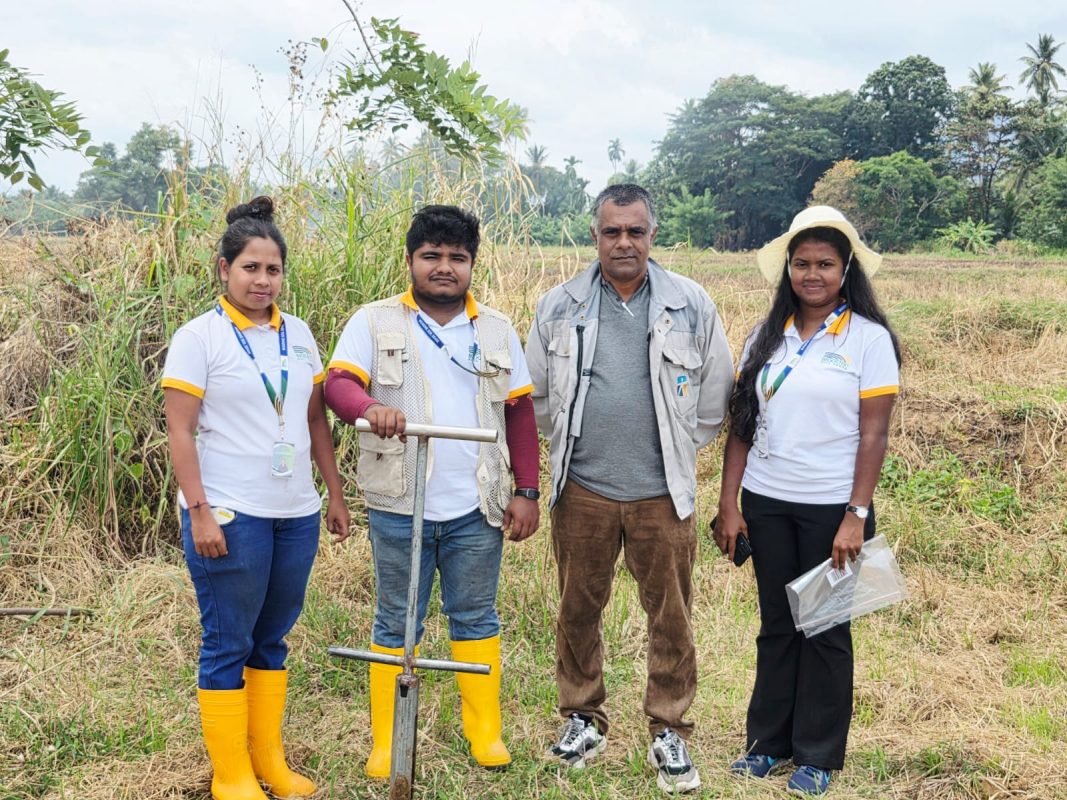
The second day transformed theoretical knowledge into practical competence through hands-on field and laboratory sessions. Under the guidance of Department of Soil Science staff, our team practiced site selection, executed composite soil sampling techniques in actual field conditions, learned GPS based location recording, and conducted field measurements of pH and electrical conductivity. The training emphasized proper sample handling and transport protocols to maintain sample integrity throughout the analytical chain.
The program also provided exposure to GIS mapping and spatial data integration, enabling our team to link soil sample data with spatial coordinates and create soil property maps for visual representation of field variability. This spatial intelligence capability supports precision agriculture approaches and optimized input use across management zones.
Laboratory sessions covered sample preparation protocols, demonstrations of standard soil analyses including pH, electrical conductivity, organic matter, nitrogen, phosphorus, and potassium, along with quality control measures and laboratory safety standards that ensure analytical accuracy and reliability.
Immediate Impact on Our Services
This comprehensive training translates directly into enhanced capabilities across our entire service delivery chain. Our field team now implements advanced sampling techniques that ensure representative, reliable samples from every field we serve, reducing sampling error and improving data quality. Deeper understanding of soil properties and their interactions enables more nuanced, accurate interpretation of laboratory results and more precise recommendations tailored to specific field conditions.
Perhaps most importantly, the Sri Lanka-specific knowledge of soil types, agro-ecological zones, and local fertility constraints ensures our recommendations are contextually appropriate rather than generic. Our new GIS capabilities enable precision agriculture solutions, identifying field variability and supporting zone-specific management strategies. Strengthened understanding of laboratory protocols and quality control measures ensures consistent, reliable analytical results across all our operations.
Building on the knowledge gained about emerging technologies, Biogenic Soil Sense is immediately initiating the implementation of Near-Infrared (NIR) spectroscopy for rapid soil analysis. This advanced technology will enable us to provide comprehensive soil nutrient assessment with significantly reduced turnaround time, representing a major step forward in our ability to deliver timely soil intelligence that supports time sensitive agricultural decision-making while maintaining the scientific rigor and accuracy our clients depend on.
A Shared Vision for Scientific Agriculture
The training reinforced several principles central to our mission at Biogenic Soil Sense. Scientific rigor is non-negotiable, reliable soil intelligence requires strict adherence to validated methodologies and quality standards at every step. Local context matters profoundly generic recommendations fail in diverse soil landscapes, making understanding of Sri Lankan soil variability essential. Continuous learning drives excellence agriculture evolves constantly, and our knowledge and capabilities must evolve with it. Most importantly, practical application is the ultimate goal knowledge must translate into actionable recommendations that tangibly improve farmer outcomes and agricultural sustainability.
Gratitude and Commitment
We extend our sincere appreciation to the Department of Soil Science, Faculty of Agriculture, University of Ruhuna, and to Prof. Rajika Amarasinghe, Prof. Buddhi Walpola, Dr. Chamila Wijekoon, Dr. Thanuja Liyanage, Dr. Jinendra Siriwijaya, Mr. Sandun Piyaruwan, Mr. Udaranga Samarawickrama, and all the staff who contributed their expertise to this exceptional training program. Their dedication to knowledge transfer has fundamentally enhanced our team’s capabilities.
This workshop represents our ongoing commitment to excellence in soil science and agricultural advisory services. By investing in our team’s knowledge and skills, we ensure that every farmer and agricultural enterprise we serve benefits from cutting-edge, science-backed recommendations grounded in both global best practices and Sri Lankan context. At Biogenic Soil Sense, we don’t just test soil, we provide the foundation for better agricultural decisions. This training ensures we continue to deliver that promise with ever greater precision, accuracy, and expertise.
– Tharinda Dilshan
“Know your soil. Empower your decisions. Build sustainable agriculture“
Related Posts
Strengthening Precision Agriculture in Ampara: Leaf Analysis Programme Expanded to Dehiattakandiya ASC
-
Posted by
BSS
Nationwide Leaf Analysis Programme Initiated in Ampara District, Beginning with Akkaraipattu Agrarian Service Center
-
Posted by
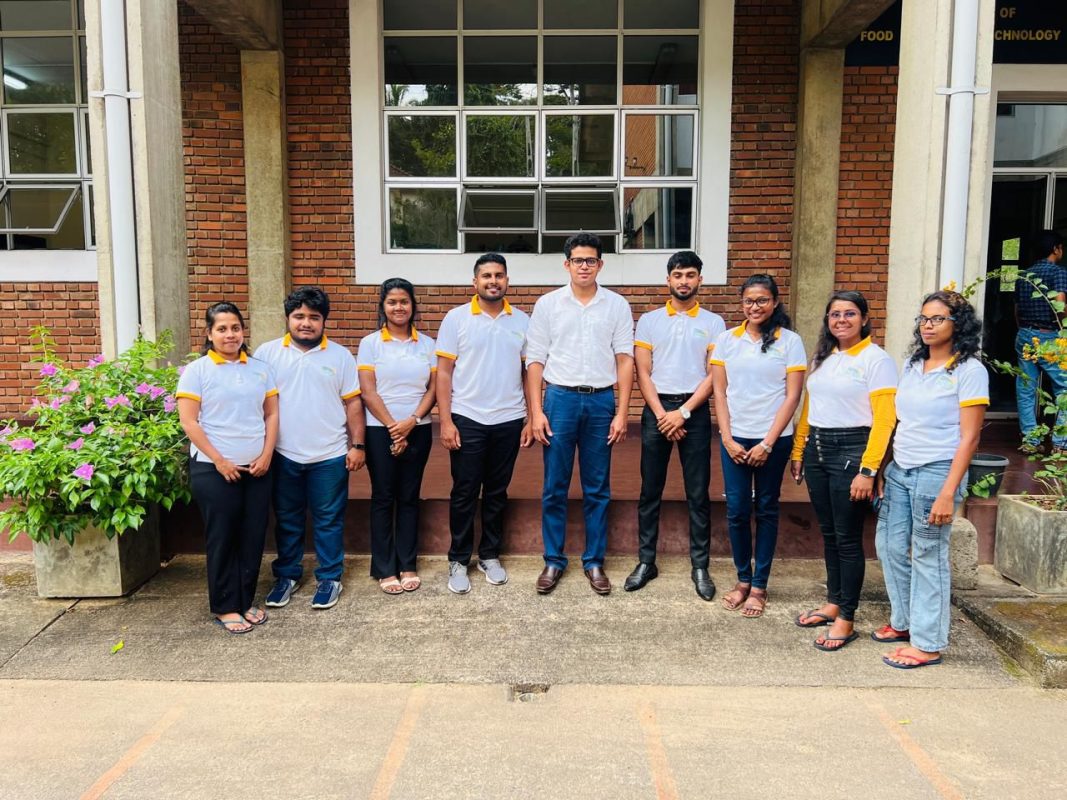
Advancing Soil Texture Analysis: Insights from University of Ruhuna Training Program
-
Posted by
Successful Engagement with Department of Agriculture Officials – Sri Lanka
-
Posted by
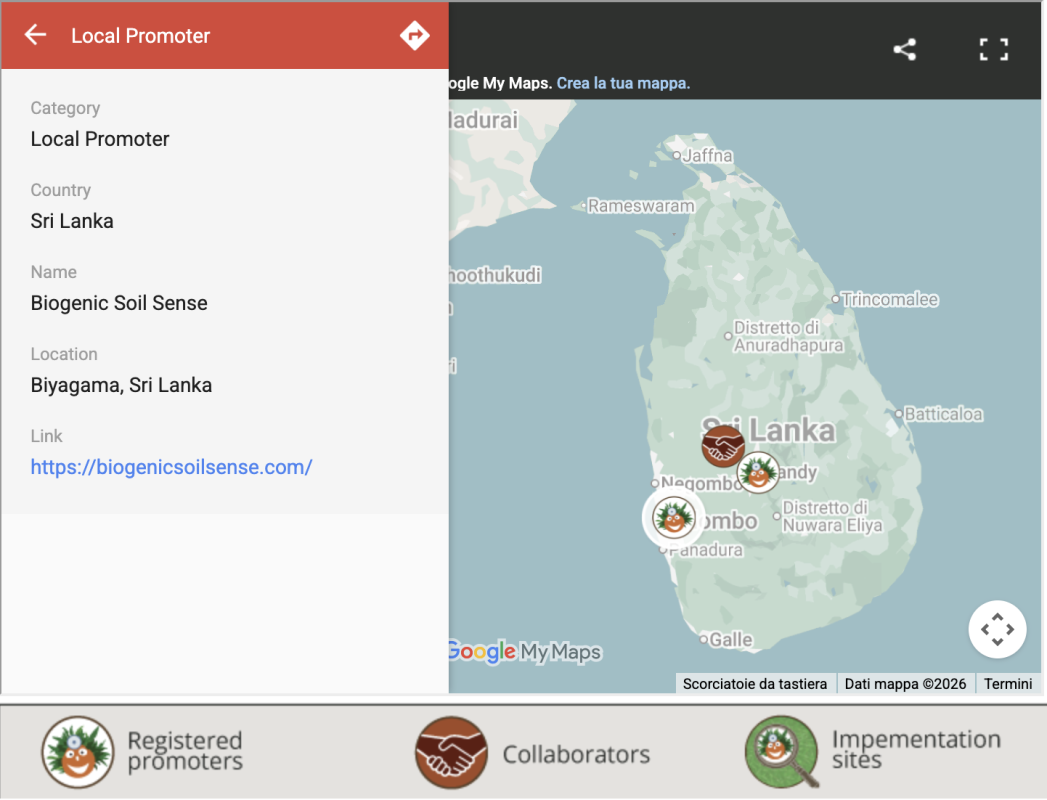
Biogenic Soil Sense Registered as Sri Lanka’s First Private Promoter of the FAO–GSP Soil Doctors Programme
-
Posted by
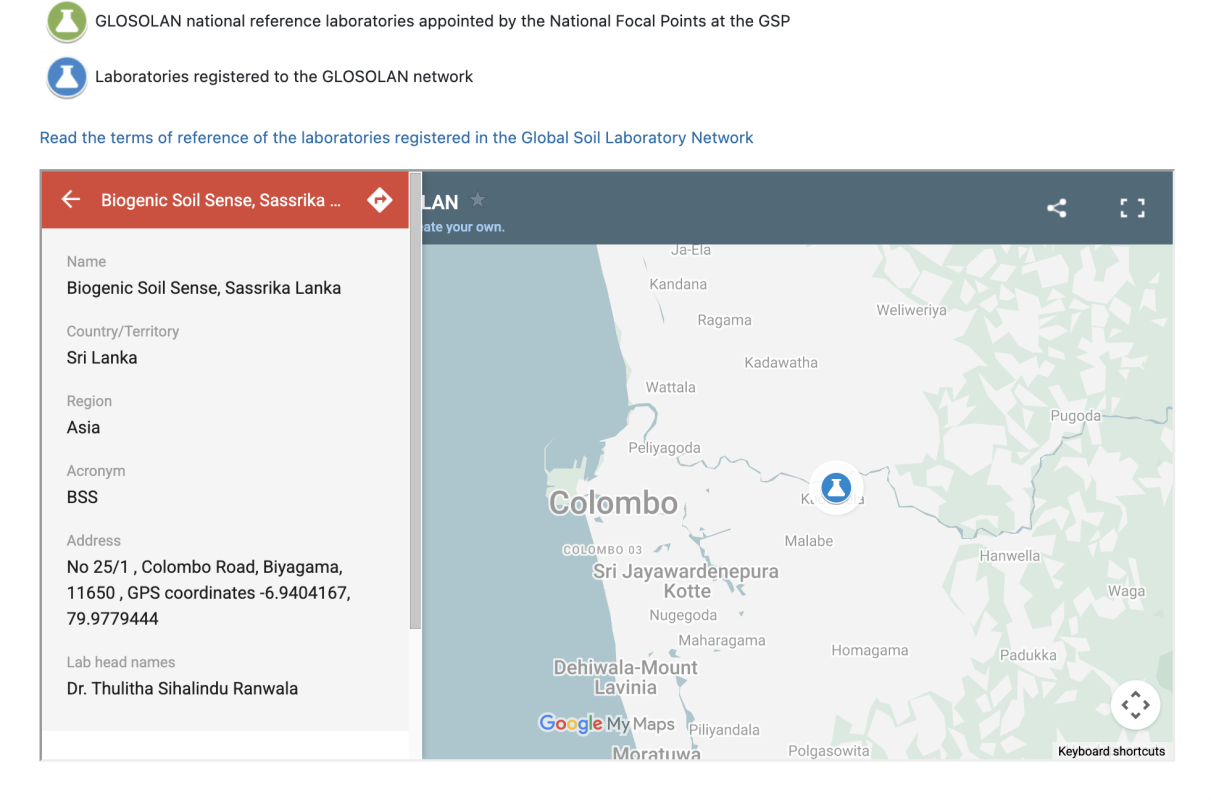
Biogenic Soil Sense Joins FAO’s Global Soil Laboratory Network (GLOSLAN)
-
Posted by
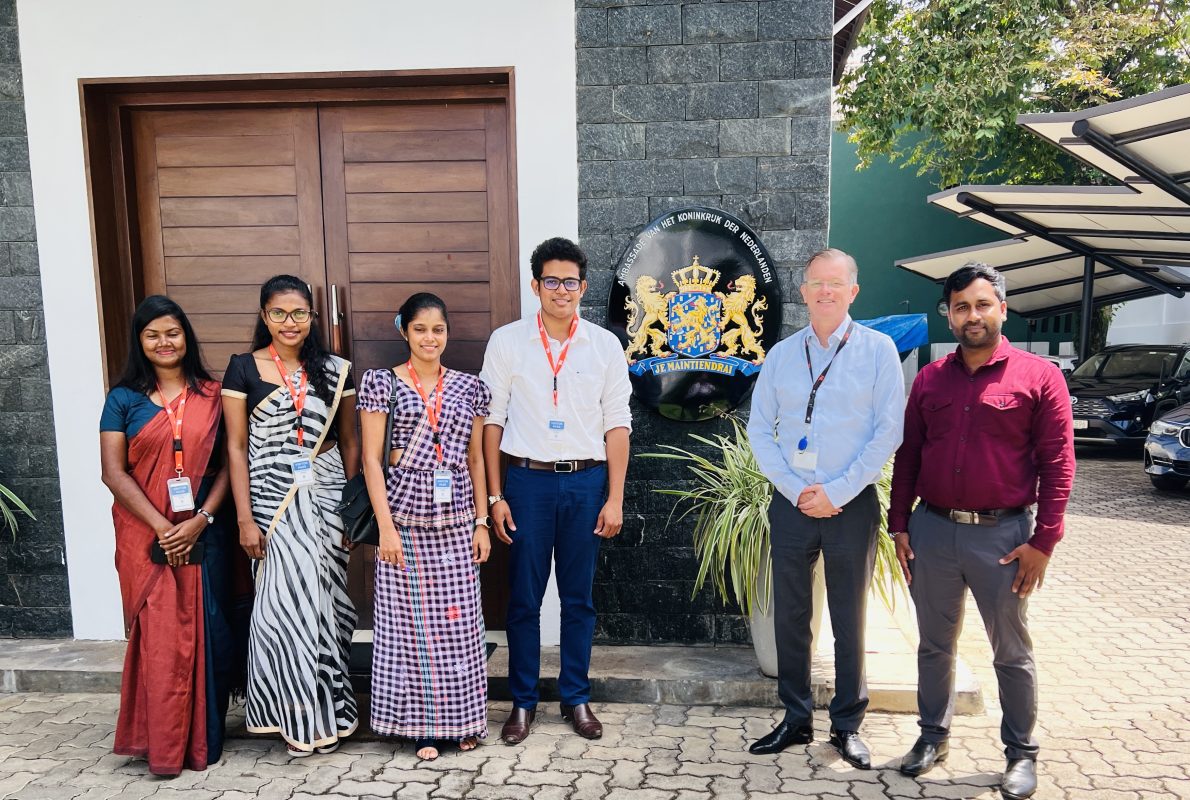
🤝 Strengthening Ties for a Sustainable Agricultural Future
-
Posted by
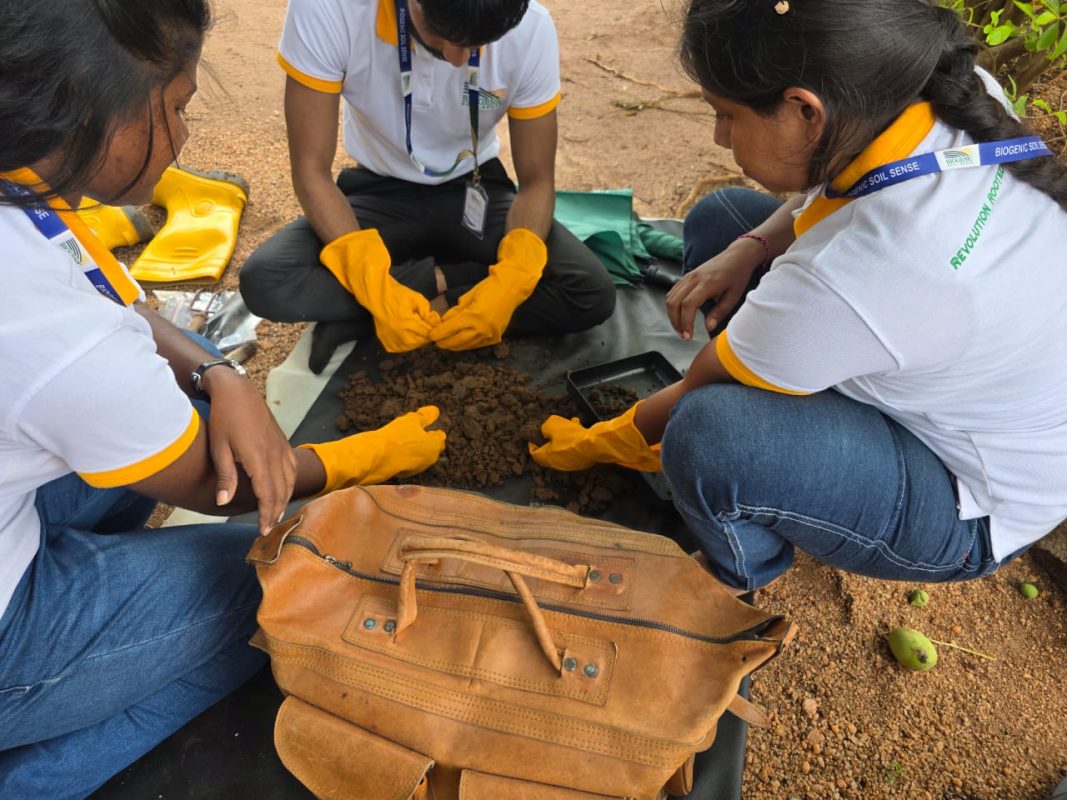
Soil Calibration Journey – Anuradhapura District
-
Posted by
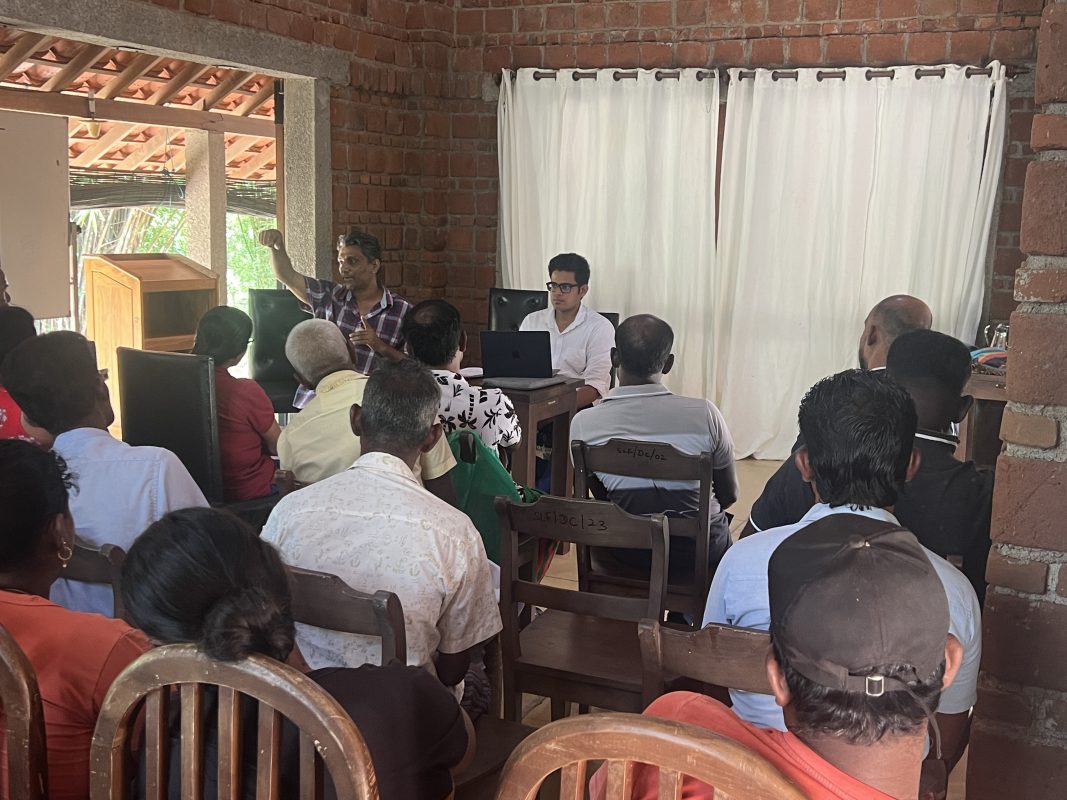
Farmer Awareness Workshop – Rajanganaya
-
Posted by
Preparing Soil Samples with Farmers – Elayapaththuwa, Anuradhapura
-
Posted by
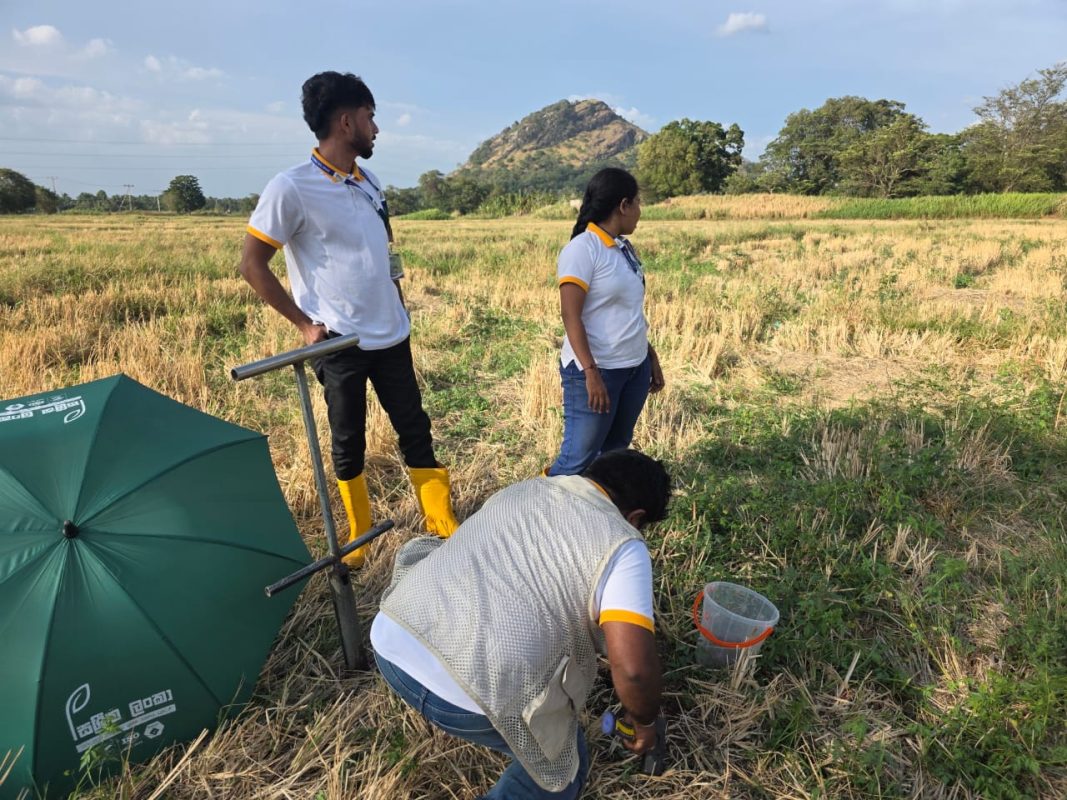
Soil Calibration Journey – Kurunegala (Galewela)
-
Posted by
Soil Calibration Journey – Kurunegala District
-
Posted by