

Blog
Advancing Soil Texture Analysis: Insights from University of Ruhuna Training Program
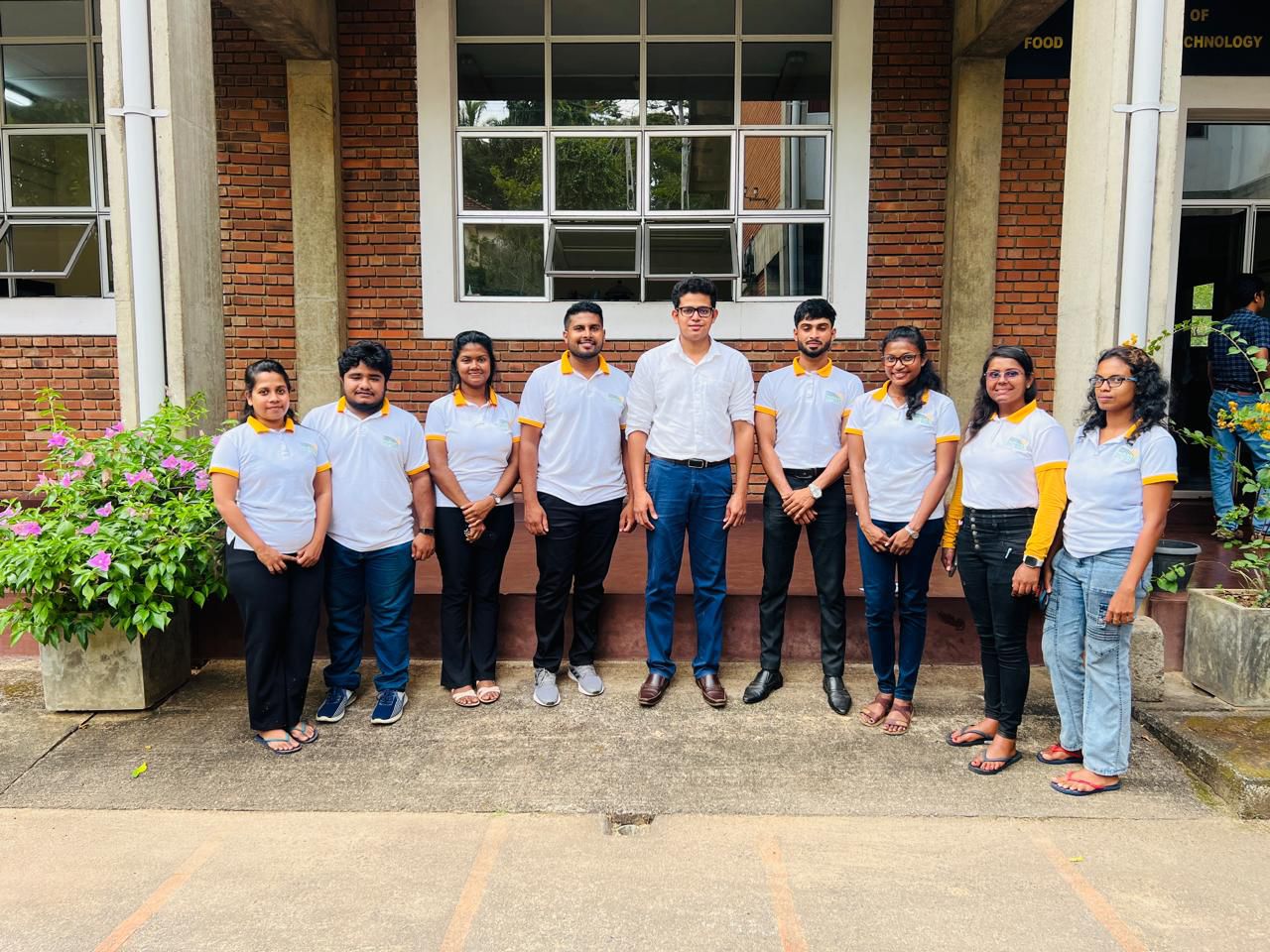
During our recent intensive training with the Department of Soil Science at the University of Ruhuna, our team at Biogenic Soil Sense gained invaluable practical experience in soil texture assessment, one of the most fundamental yet critical skills in soil science. While we’ve long understood texture conceptually, the hands-on laboratory sessions brought this knowledge to life in ways that will directly enhance how we assess and advise on soil management across Sri Lanka.
Soil texture is the permanent foundation upon which all other soil properties rest. Unlike chemical characteristics that can be modified through fertilization or biological properties that respond to management, texture is determined by the relative proportions of sand, silt, and clay particles, a characteristic that remains essentially unchanged over human timescales. Understanding texture is therefore fundamental to every agricultural decision, from irrigation scheduling to tillage practices to crop selection.
Why Texture Matters More Than You Think
Many farmers focus primarily on soil fertility, nitrogen, phosphorus, potassium levels and overlook the physical framework that determines whether plants can actually access those nutrients. A soil rich in nutrients but with poor physical properties may still fail to support healthy crops. Water movement, air circulation, root penetration, nutrient retention, and workability all depend fundamentally on soil texture.
For Sri Lankan agriculture, where we encounter everything from the heavy clay soils of the wet zone to the sandy soils of coastal and dry zone areas, understanding texture variations is not academic, it’s essential for providing recommendations that actually work in the field.
From Theory to Touch: The Texture Assessment Experience
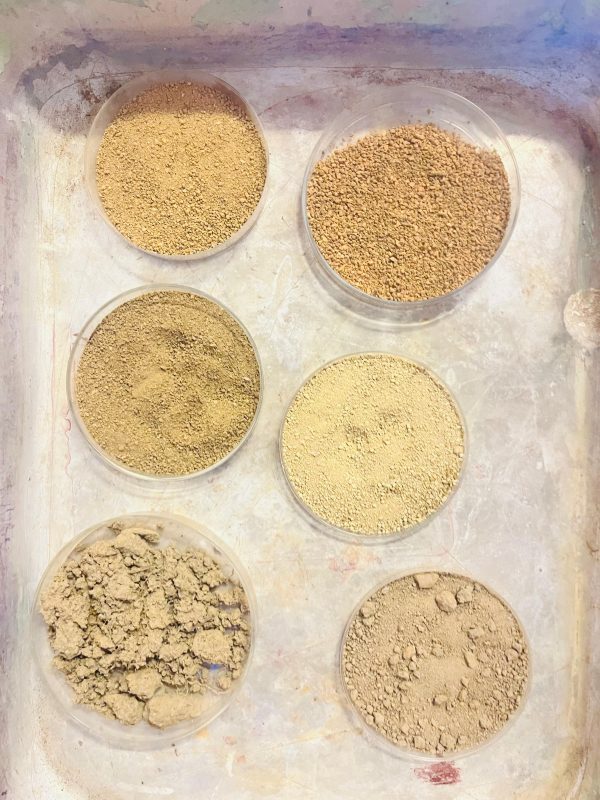
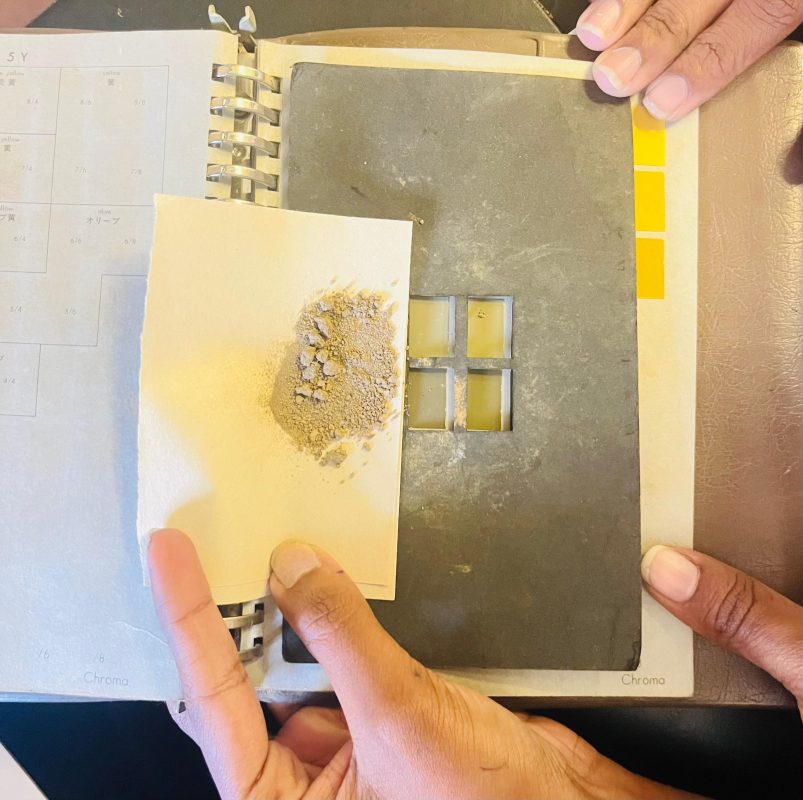
One of the most valuable components of our training was learning standardized methods for texture assessment. Our team worked with actual soil samples, using both tactile assessment (the “feel method”) and visual comparison with reference standards. The Munsell soil color chart used alongside texture analysis helps correlate color with organic matter content, drainage characteristics, and mineral composition, all of which interact with texture to determine soil behavior.
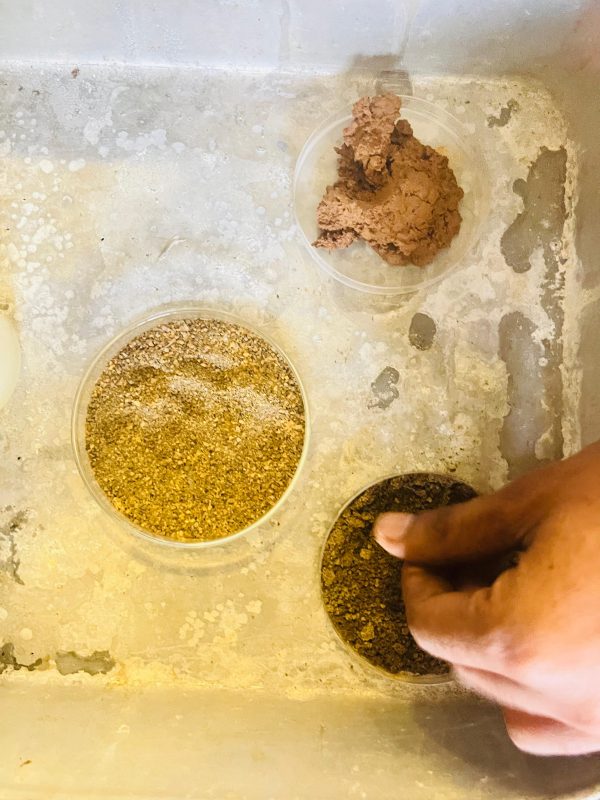
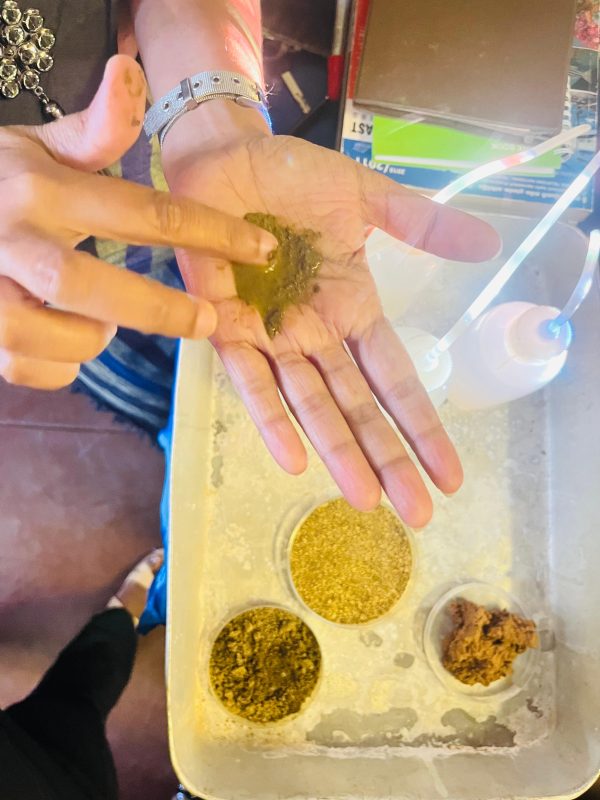
The laboratory session demonstrated how professional soil scientists determine texture through systematic procedures. We learned the “ribbon test,” where moistened soil is pressed between fingers to form a ribbon, the longer and more coherent the ribbon, the higher the clay content. We practiced the “grittiness test,” rubbing soil between fingers to detect sand particles. These tactile skills, refined through practice with known samples, allow field assessment of texture even without laboratory equipment.
The Diversity of Sri Lankan Soils
The dramatic differences between soil textures we encounter across Sri Lanka are clearly visible when comparing samples side by side. Sandy soils show visible individual particles and appear loose and free-flowing characteristic of coastal areas and some dry zone regions. These soils drain quickly, warm rapidly in spring, and are easy to work, but they hold little water or nutrients. Farmers on sandy soils face frequent irrigation needs and must apply fertilizers carefully to avoid leaching losses.
Clay-rich soils display a characteristic cohesive, sticky nature when moist. Common in the wet zone and some intermediate zones, clay soils hold water and nutrients well but can become waterlogged, are difficult to work when wet, and crack when dry. The timing of tillage is critical for clay soils, work them too wet and you create massive clods; too dry and they become rock-hard. Between these extremes lie the loamy soils, mixtures of sand, silt, and clay that provide balanced properties. Understanding where your soil falls on this spectrum is the first step toward appropriate management.
From Laboratory to Field: Practical Applications
The knowledge and skills gained from these hands-on sessions directly enhance our field assessment capabilities. When our team visits your farm, we can now more accurately assess soil texture through field tests, correlate our observations with laboratory standards, and provide recommendations specifically tailored to your soil’s physical characteristics.
Texture determines irrigation strategy, sandy soils require frequent, light applications while clay soils need less frequent but deeper irrigation to avoid surface waterlogging while ensuring adequate moisture at depth. Texture guides tillage timing, allowing us to advise on the optimal moisture conditions for tillage based on your soil’s texture, preventing compaction and structural damage that can persist for years. Texture influences fertilizer application, sandy soils need split applications and controlled-release formulations to prevent leaching, while clay soils can handle larger single applications but may need amendments to improve nutrient availability. Texture also affects crop selection, as some crops thrive in sandy soils while others prefer clay soils.
Understanding Texture Across Sri Lanka’s Agro-Ecological Zones
Our training emphasized how soil texture varies significantly across Sri Lanka’s diverse agro-ecological zones. The wet zone typically features clay-rich, highly weathered soils developed under intense rainfall. The dry zone often has sandier soils or soils with clay accumulation at depth. Coastal areas show sandy textures influenced by parent material and sea spray effects. Intermediate zones present a mix of textures depending on elevation, rainfall, and parent material. This geographic diversity demands location-specific recommendations. Management strategies that work well in one zone may be completely inappropriate in another. Understanding the textural characteristics of your specific region is fundamental to effective soil management and sustainable agricultural productivity.
– Tharinda Dilshan
“Know your soil. Empower your decisions. Build sustainable agriculture“
Related Posts
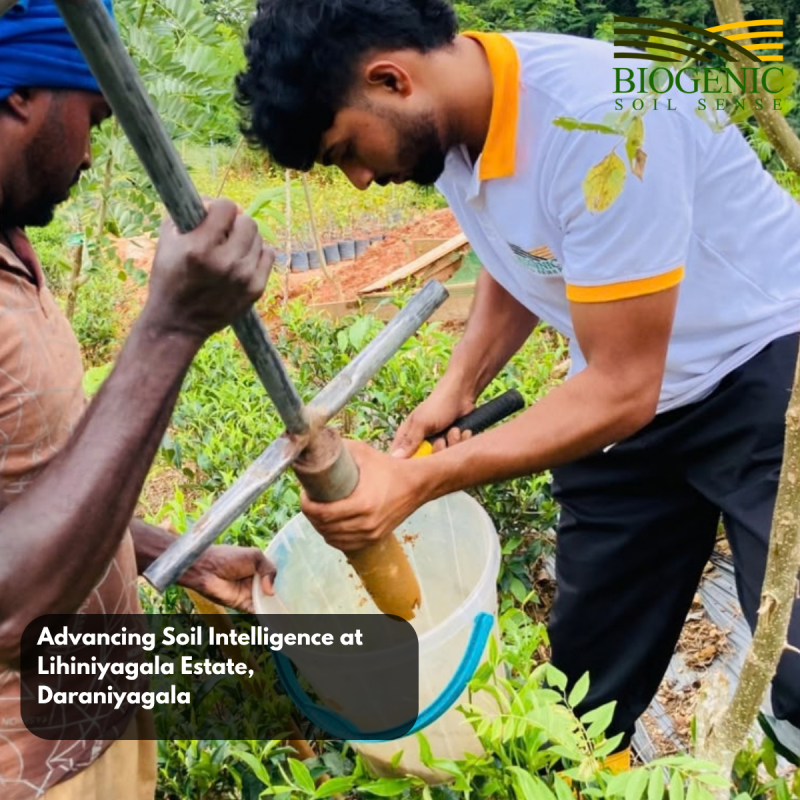
Advancing Soil Intelligence at Lihiniyagala Estate, Daraniyagala
-
Posted by
BSS
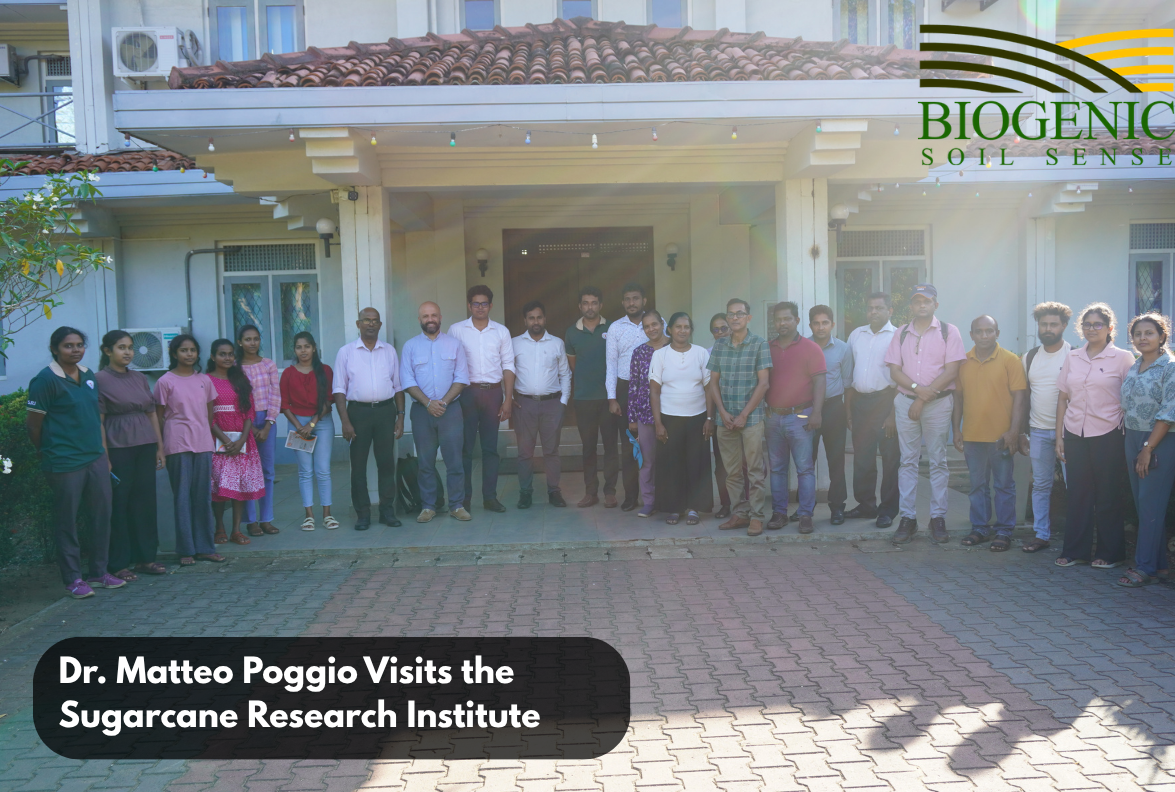
Advancing Sensor Based Agricultural Diagnostics in Sri Lanka: Dr. Matteo Poggio Visits the Sugarcane Research Institute
-
Posted by

Biogenic Soil Sense Featured in Daily News
-
Posted by

A Warm Welcome to Sri Lanka – Strengthening Our Technology Partnership with AgroCares Netherlands
-
Posted by

AMPARA SOIL HEALTH CAMP
-
Posted by
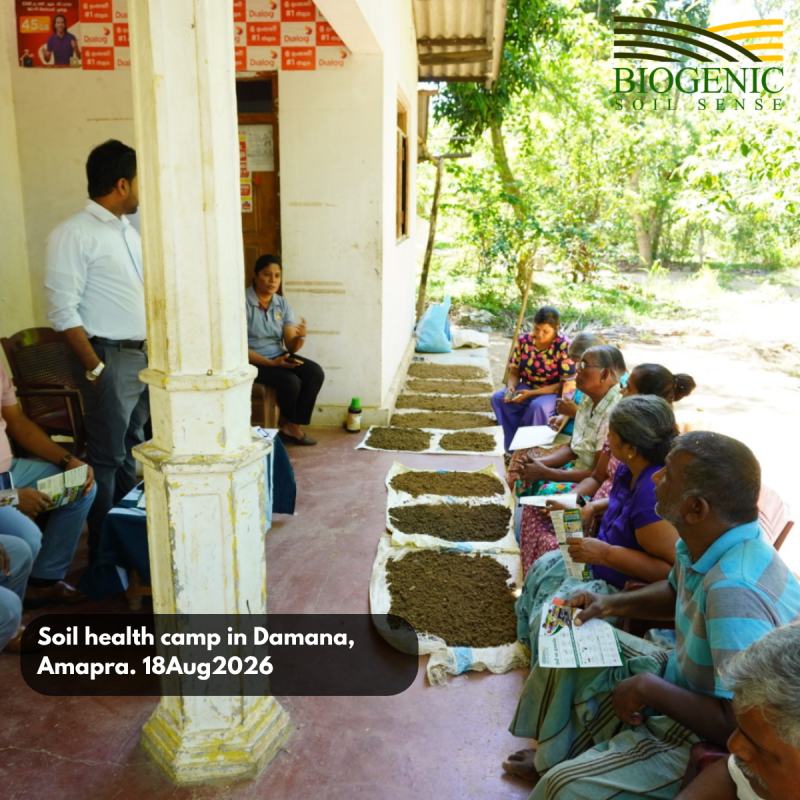
Soil health camp in Damana, Amapra. 18Aug2026
-
Posted by
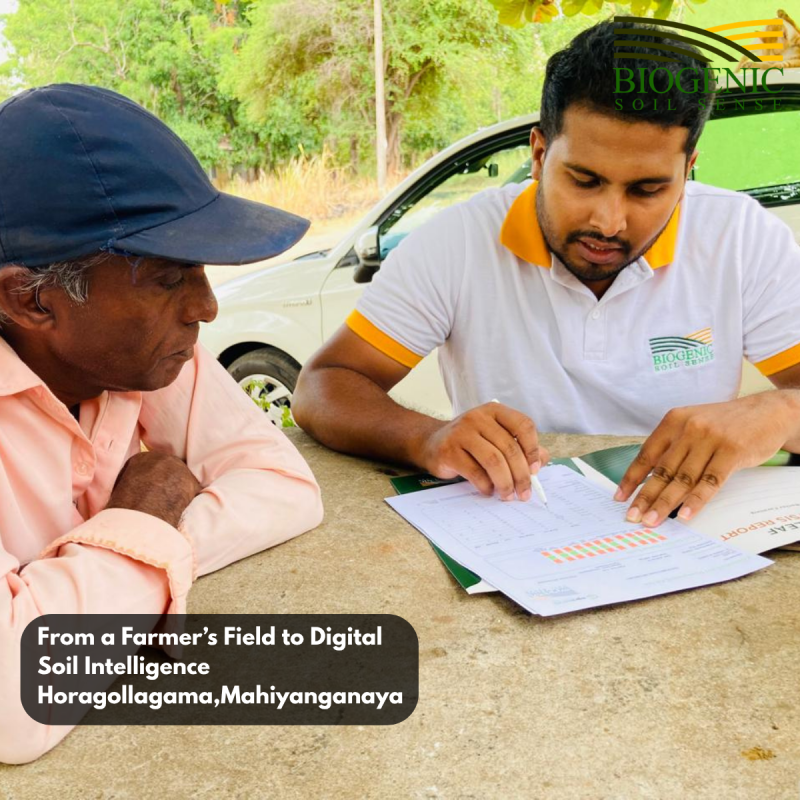
Building Sri Lanka’s First Digital Soil Intelligence System — One Farm at a Time
-
Posted by
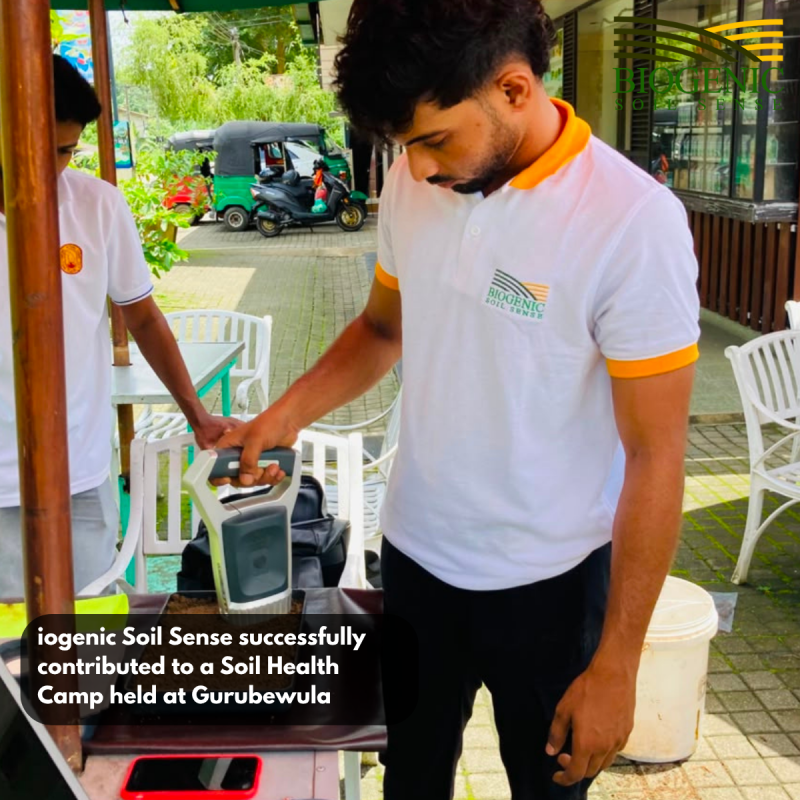
Biogenic Soil Sense successfully contributed to a Soil Health Camp held at Gurubewula, bringing rapid soil analysis and practical nutrient advisory directly to the farming community.
-
Posted by
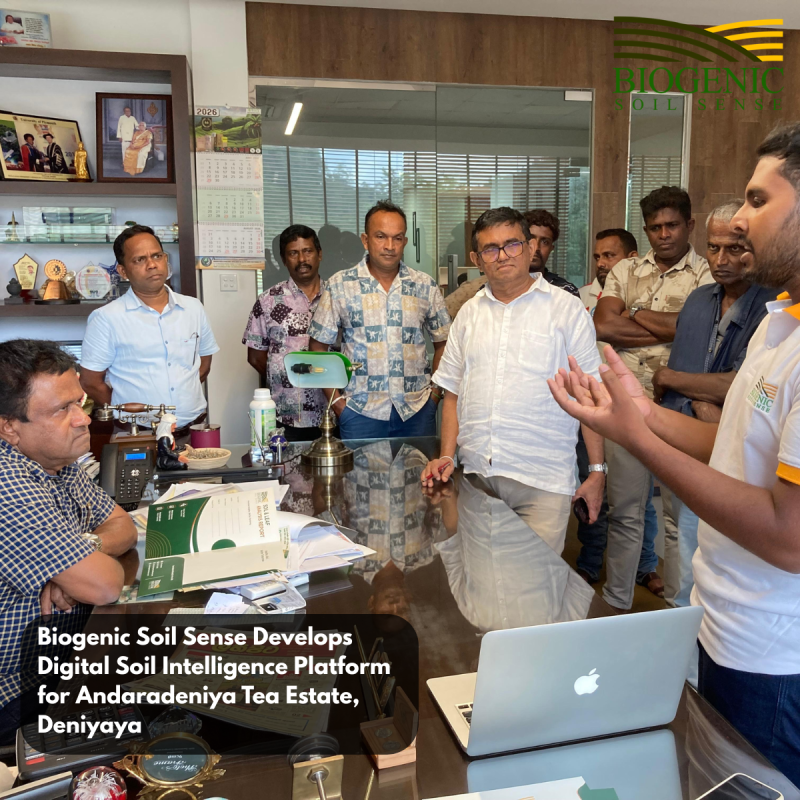
Biogenic Soil Sense Develops Digital Soil Intelligence Platform for Andaradeniya Tea Estate, Deniyaya
-
Posted by
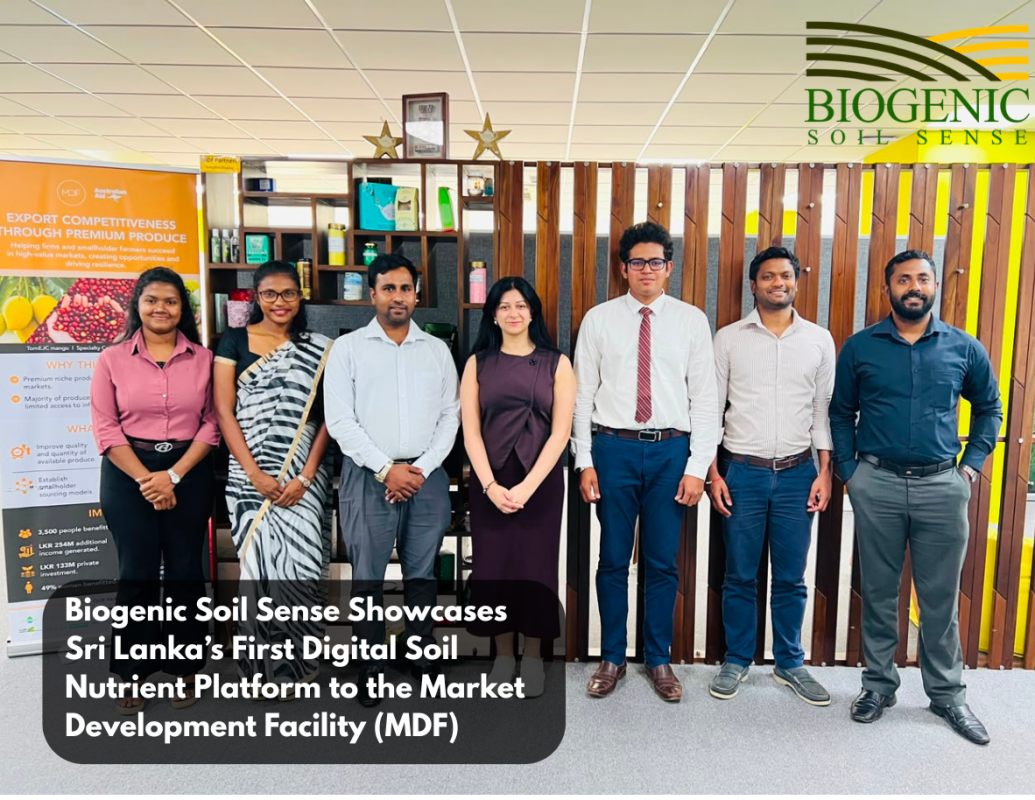
Biogenic Soil Sense Showcases Sri Lanka’s First Digital Soil Nutrient Platform to the Market Development Facility (MDF)
-
Posted by

Biogenic Soil Sense Proudly Welcomes Our Technology Partner, Dr. Matteo Poggio, as Keynote Speaker at the University of Ruhuna’s International Symposium on Agriculture and Environment 2026
-
Posted by
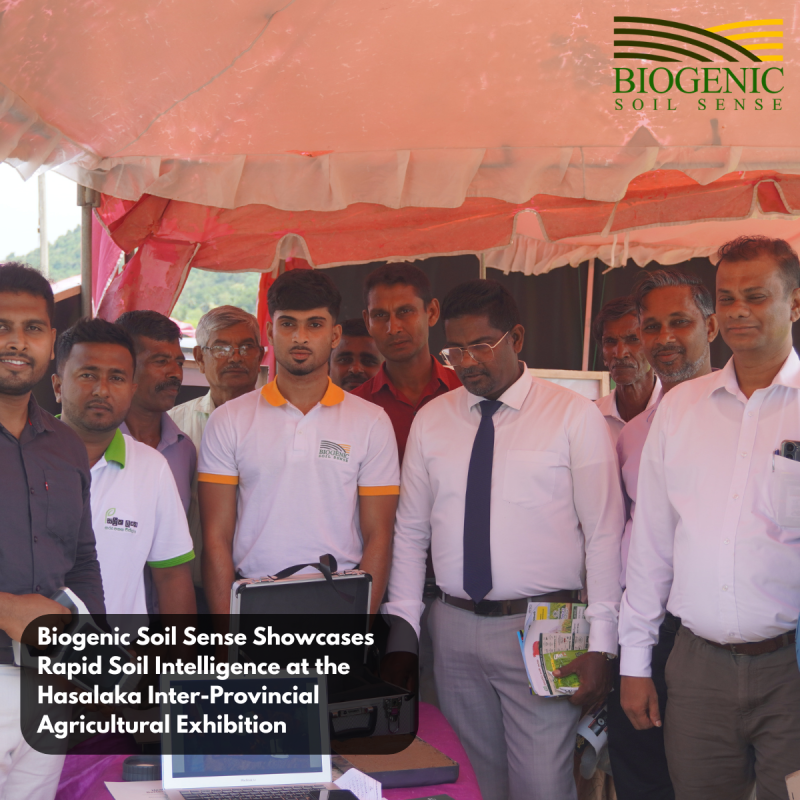
Biogenic Soil Sense Showcases Rapid Soil Intelligence at the Hasalaka Inter-Provincial Agricultural Exhibition
-
Posted by