

Blog
Leaf Analysis Calibration Programme Reaches Welikanda ASC in Polonnaruwa District
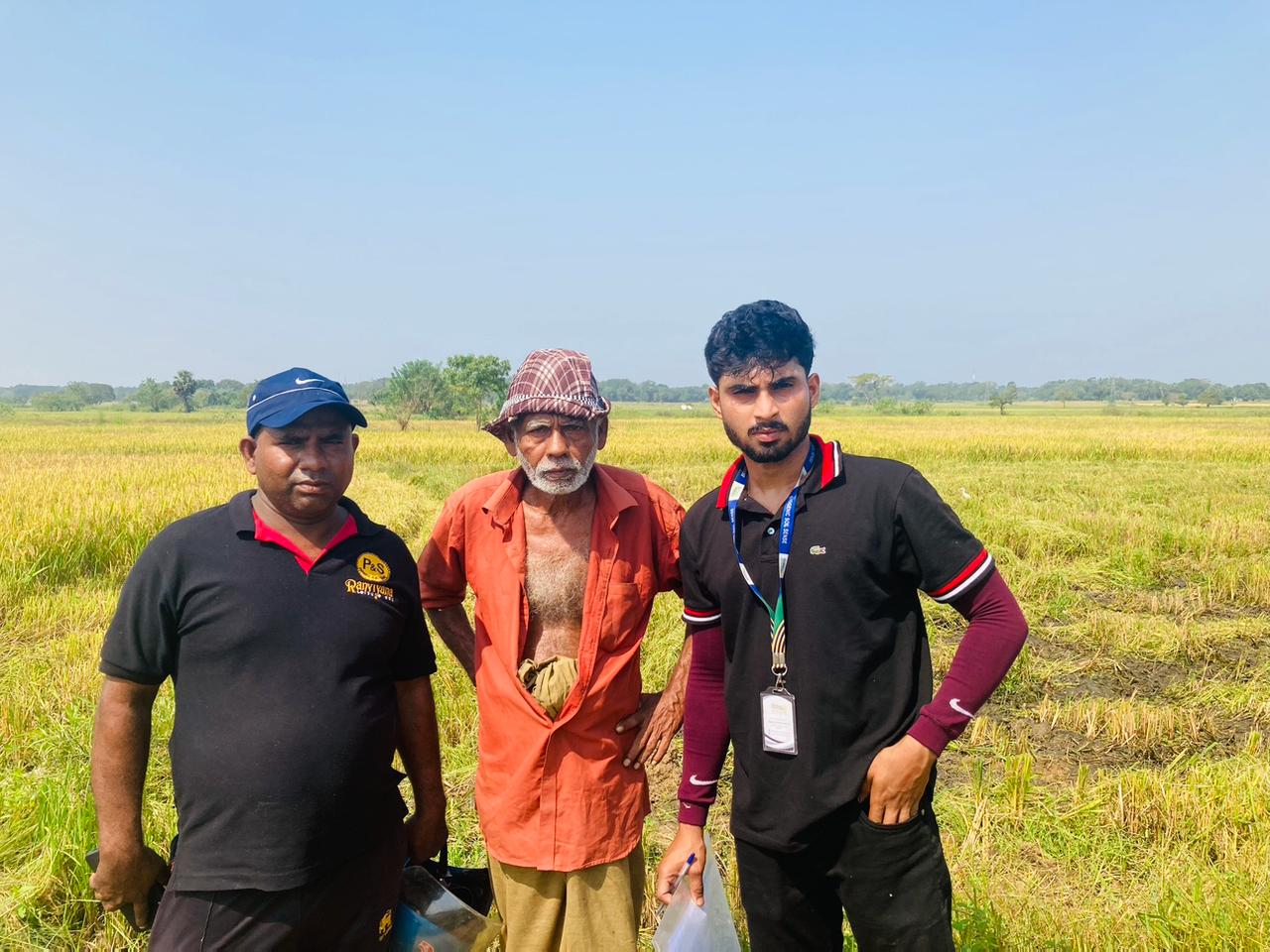
The Nationwide Leaf Analysis Calibration Programme has now progressed to the Polonnaruwa District, with field activities initiated in the Welikanda Agrarian Service Center (ASC) area. As one of the key paddy-growing regions in the district, Welikanda provides an important landscape for studying soil fertility and crop nutrient dynamics under irrigated dry zone conditions.
Polonnaruwa lies within Sri Lanka’s Dry Agro-Ecological Zone, where rice cultivation largely depends on irrigation systems, reservoirs, and seasonal rainfall. These conditions influence nutrient availability in soils and highlight the importance of accurate fertilizer calibration for sustainable crop production.
Understanding Soil Fertility Challenges in Polonnaruwa
One of the key characteristics of paddy soils in Polonnaruwa District is their low organic matter (OM) content. Research conducted on spatial variation of soil properties in the district indicates that about 98% of paddy fields contain less than 3% organic matter, with an average around 2%, which is considered below the optimum level required for sustainable crop productivity.
Low organic matter affects soil structure, nutrient retention, and microbial activity, ultimately influencing crop nutrient uptake and fertilizer efficiency. This makes districts like Polonnaruwa particularly important for calibration programmes that rely on accurate field-level nutrient diagnostics.
Field Sampling and Nutrient Assessment
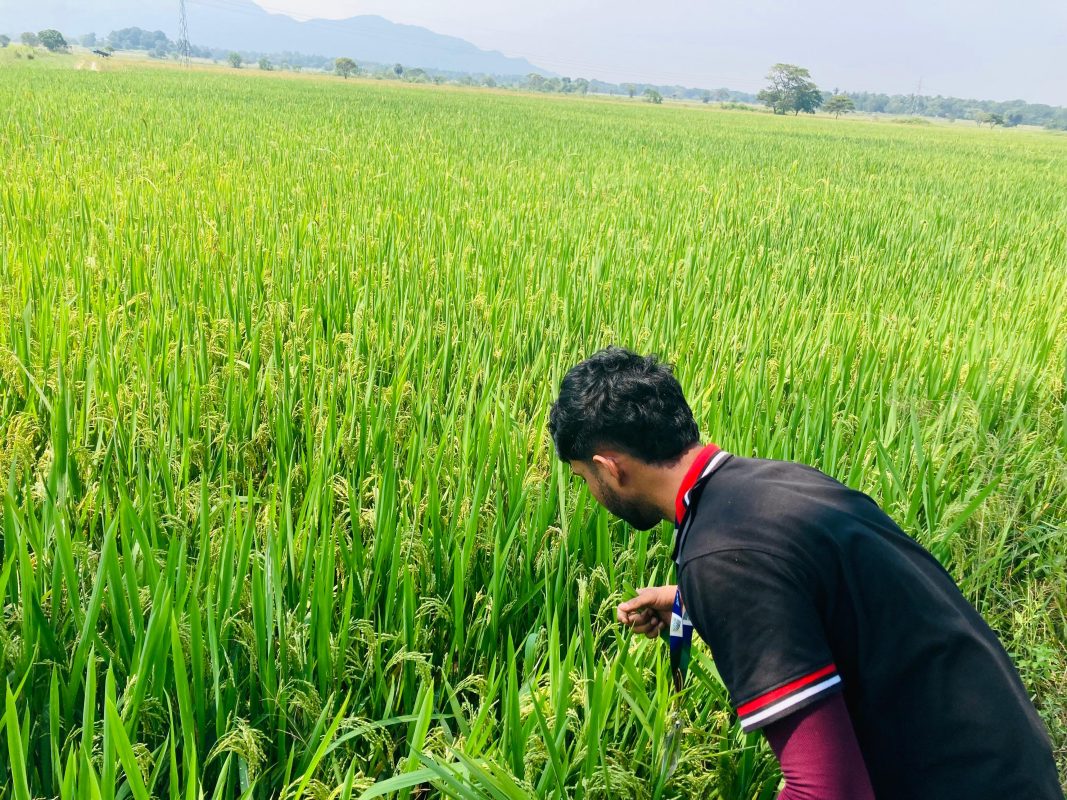
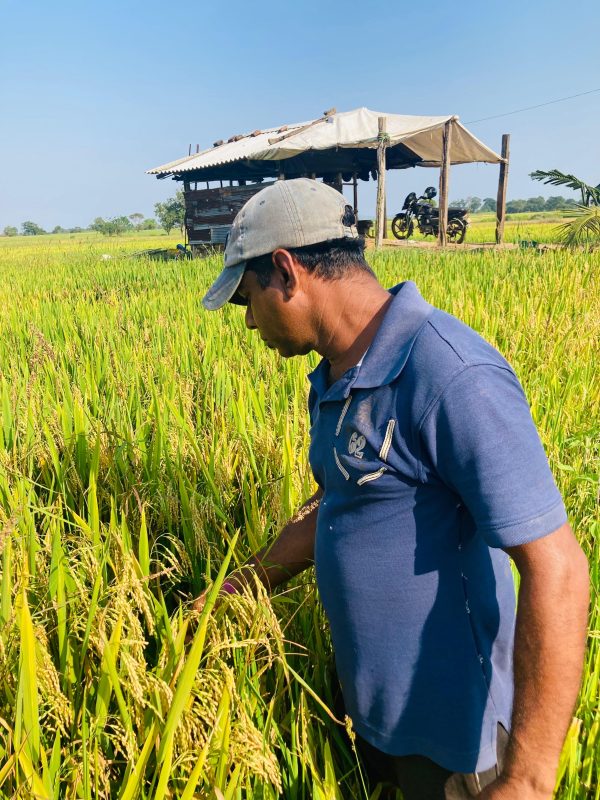
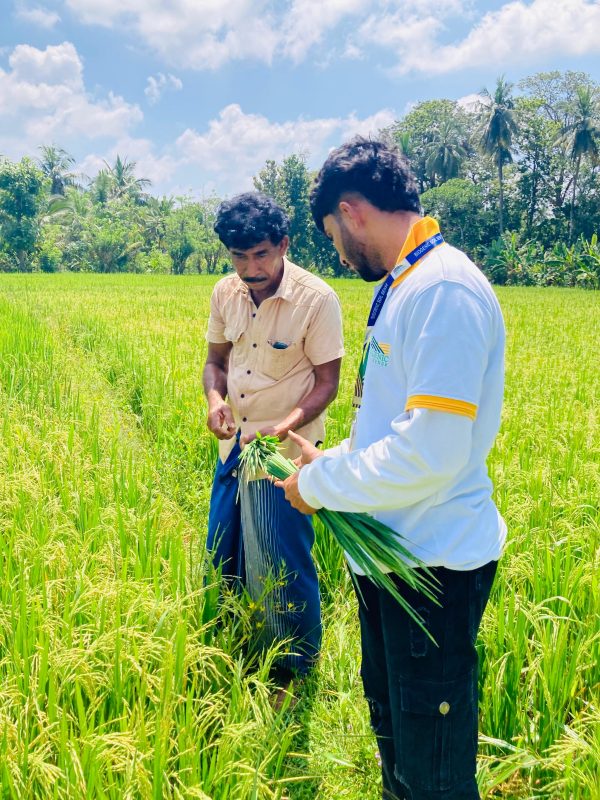
During the visit to Welikanda ASC, systematic soil and leaf sample collection was conducted across selected paddy fields. These samples provide valuable information on both soil fertility status and crop nutrient absorption.
The calibration process combines:
- Soil analysis – evaluating nutrient availability and soil health
- Leaf analysis – assessing actual nutrient uptake by the crop
Leaf samples are tested for essential nutrients including Nitrogen (N), Phosphorus (P), Potassium (K), Calcium (Ca), Magnesium (Mg), Sulphur (S) and important micronutrients. This combined approach helps determine whether the nutrients available in soil are effectively utilized by the crop.
Supporting Precision Nutrient Management
Studies also show that nutrient levels in Polonnaruwa paddy soils vary widely, with many areas showing lowpotassium (K) levels and micronutrient deficiencies such as zinc (Zn), while soil salinity is generally not a major issue across most fields.
By incorporating real field data from Welikanda ASC into the national calibration programme, researchers can better refine fertilizer recommendations that match the specific soil conditions of the district.
Strengthening the National Nutrient Database
The inclusion of Welikanda ASC adds valuable data to the growing national nutrient database. In regions where soils naturally contain low organic matter and variable nutrient levels, such field-based calibration work becomes essential for improving fertilizer efficiency and maintaining long-term soil health.
Through these efforts, the Leaf Analysis Calibration Programme continues to move Sri Lankan agriculture toward data-driven nutrient management, improved productivity, and more sustainable soil stewardship.
“Know your soil. Empower your decisions. Build sustainable agriculture”
Related Posts
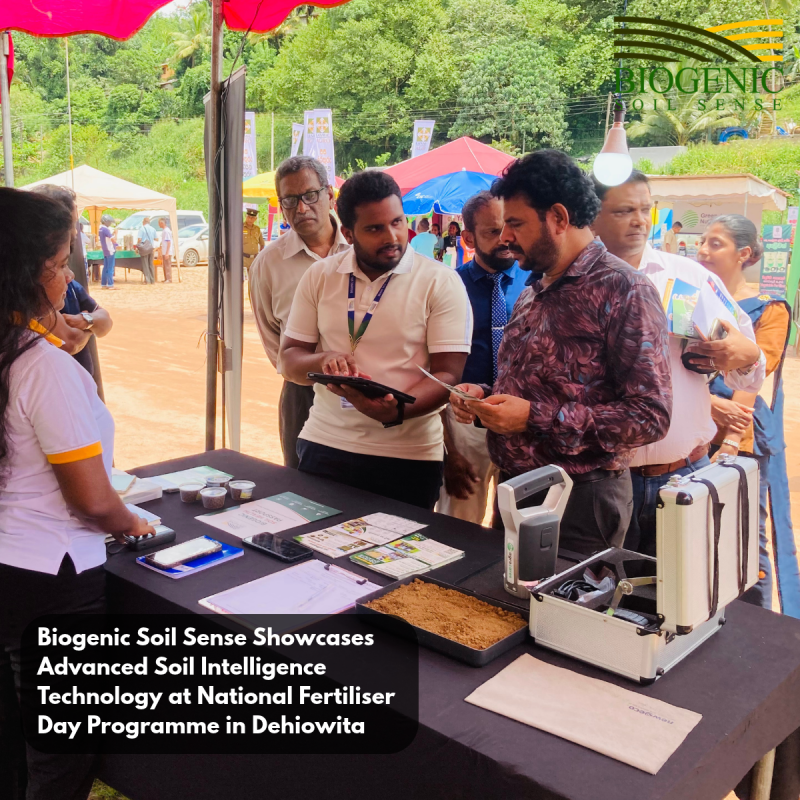
Biogenic Soil Sense Showcases Advanced Soil Intelligence Technology at National Fertiliser Day Programme in Dehiowita
-
Posted by
BSS
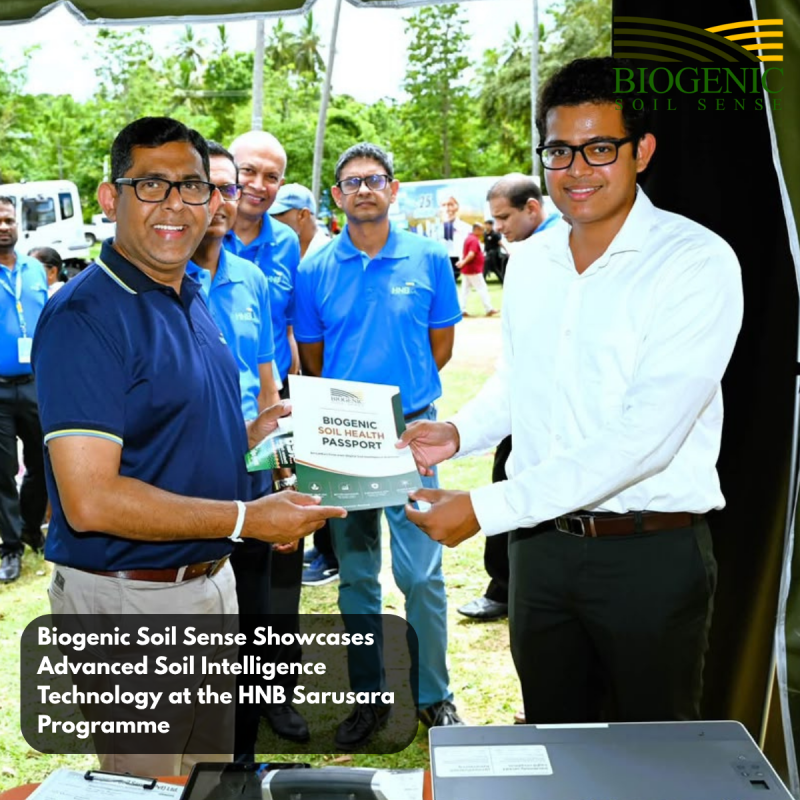
ශ්රී ලංකාවේ කෘෂිකර්මාන්තයට නව තාක්ෂණික පෙරළියක් එක් කරමින් Biogenic Soil Sense, HNB සරුසාර වැඩසටහනට එක්වෙයි!
-
Posted by
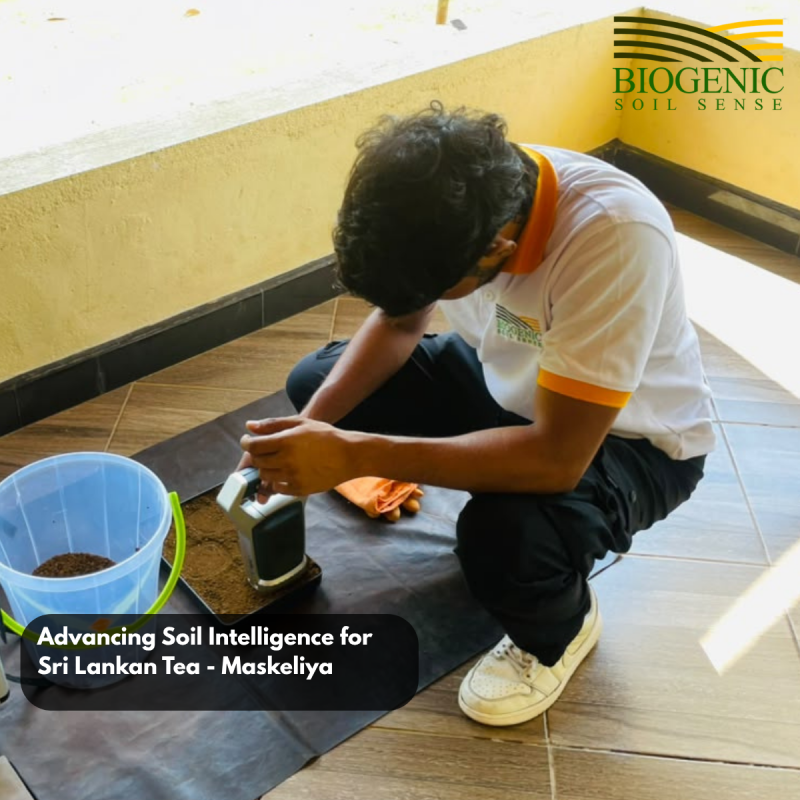
Advancing Soil Intelligence for Sri Lankan Tea – Maskeliya
-
Posted by
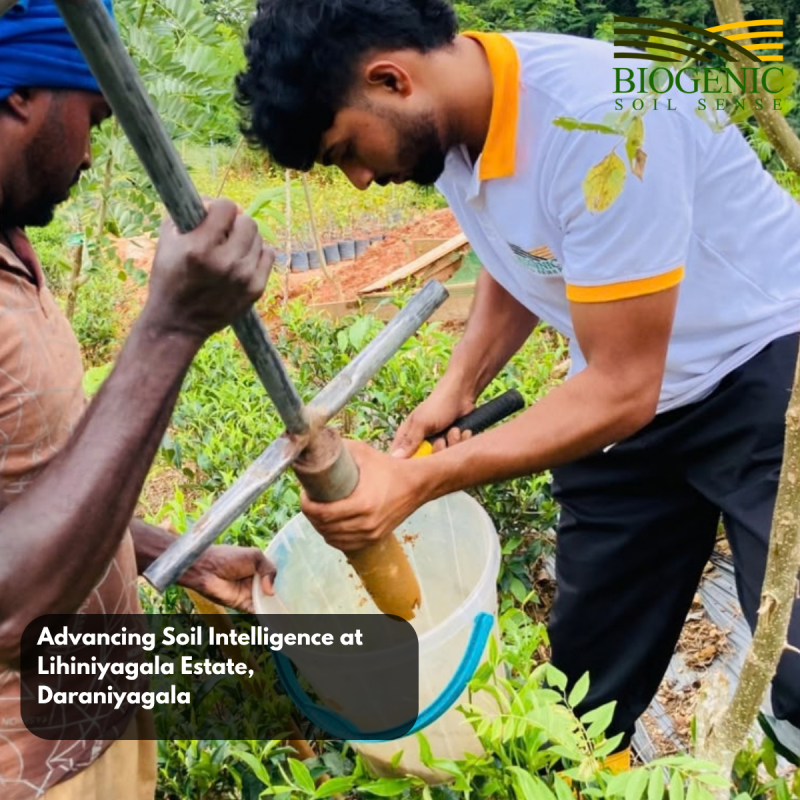
Advancing Soil Intelligence at Lihiniyagala Estate, Daraniyagala
-
Posted by
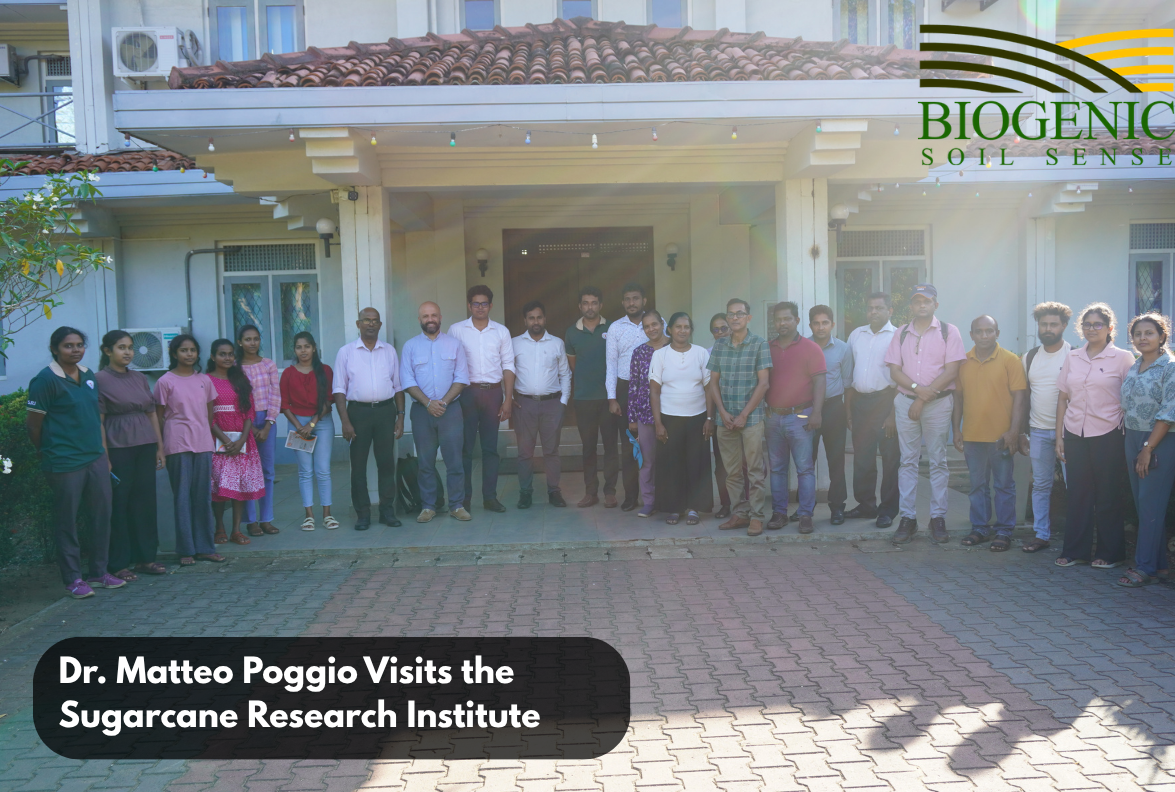
Advancing Sensor Based Agricultural Diagnostics in Sri Lanka: Dr. Matteo Poggio Visits the Sugarcane Research Institute
-
Posted by

Biogenic Soil Sense Featured in Daily News
-
Posted by
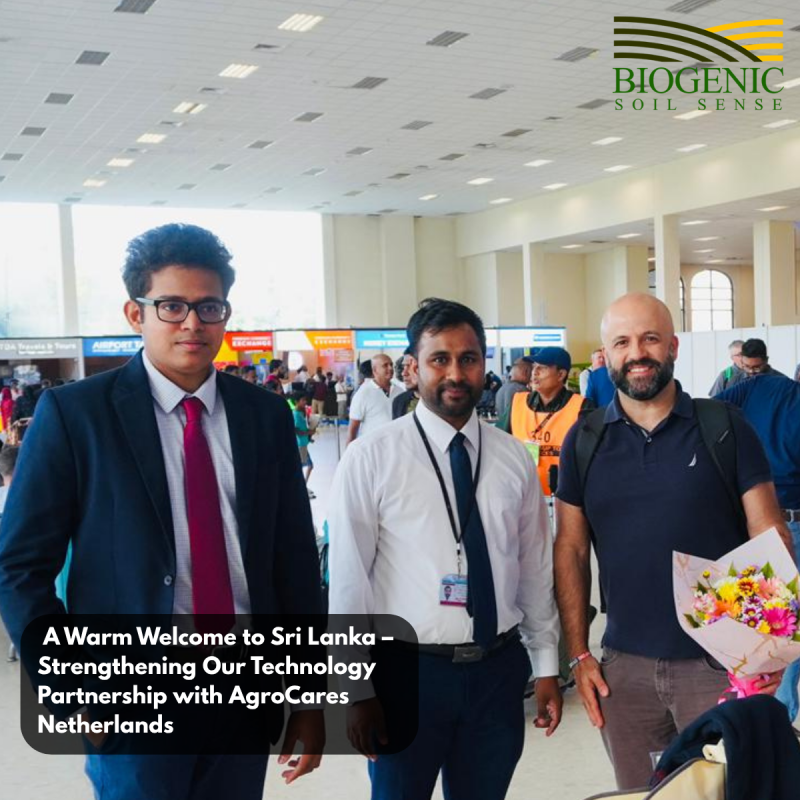
A Warm Welcome to Sri Lanka – Strengthening Our Technology Partnership with AgroCares Netherlands
-
Posted by

AMPARA SOIL HEALTH CAMP
-
Posted by
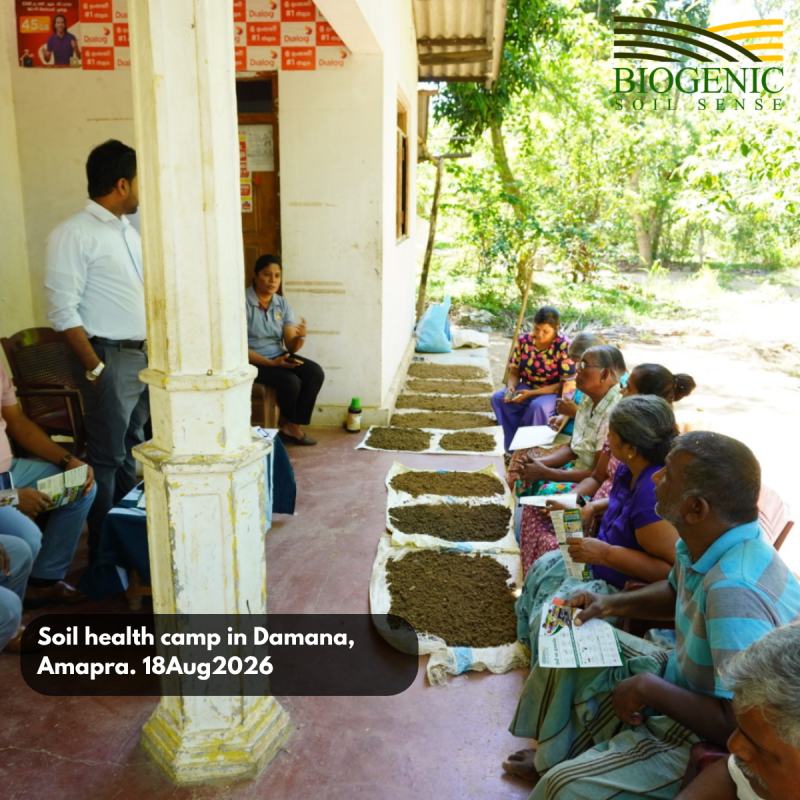
Soil health camp in Damana, Amapra. 18Aug2026
-
Posted by
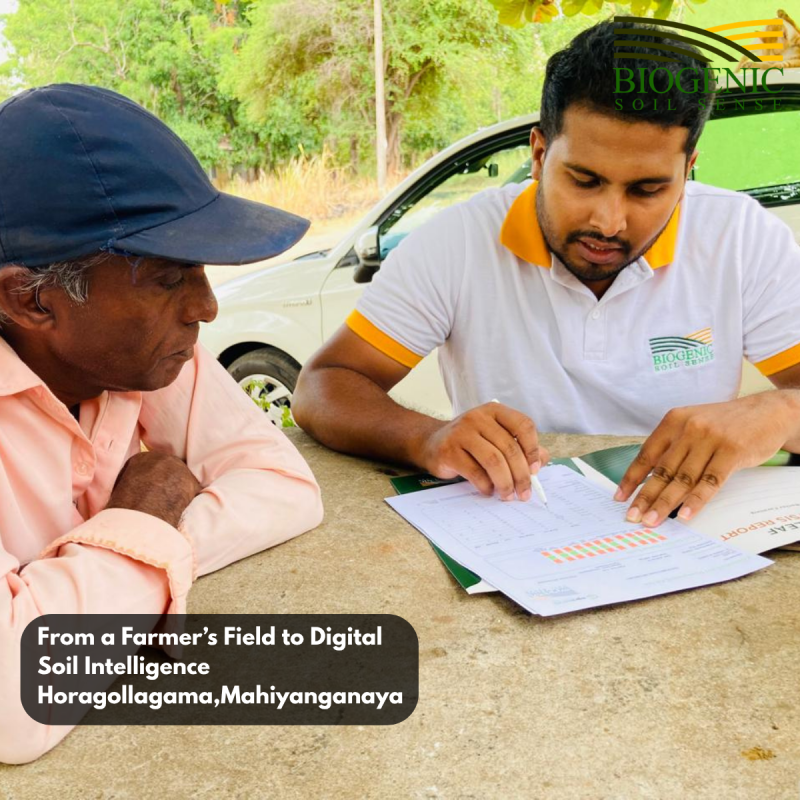
Building Sri Lanka’s First Digital Soil Intelligence System — One Farm at a Time
-
Posted by
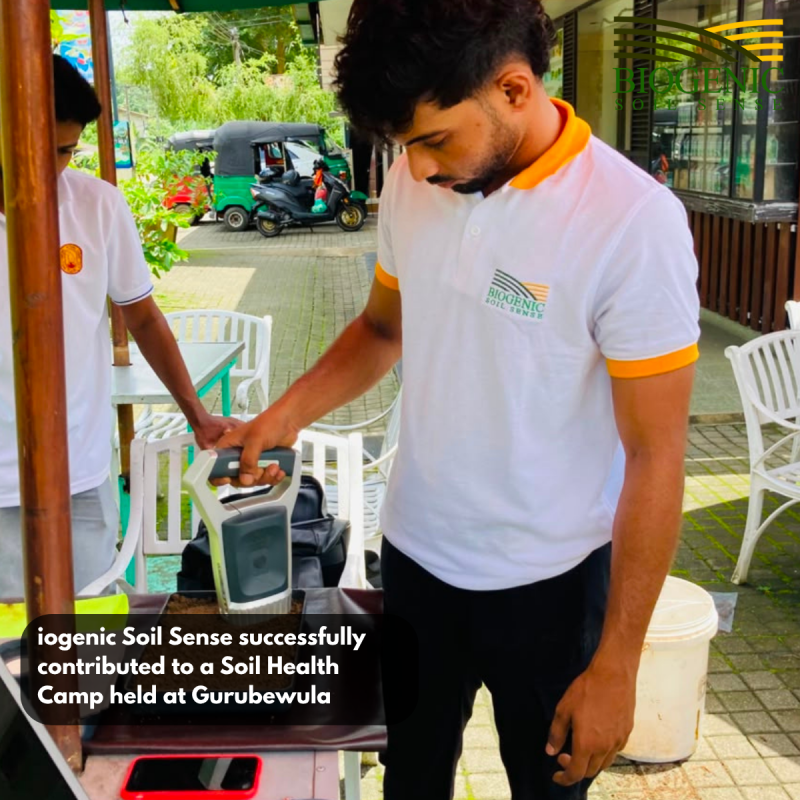
Biogenic Soil Sense successfully contributed to a Soil Health Camp held at Gurubewula, bringing rapid soil analysis and practical nutrient advisory directly to the farming community.
-
Posted by
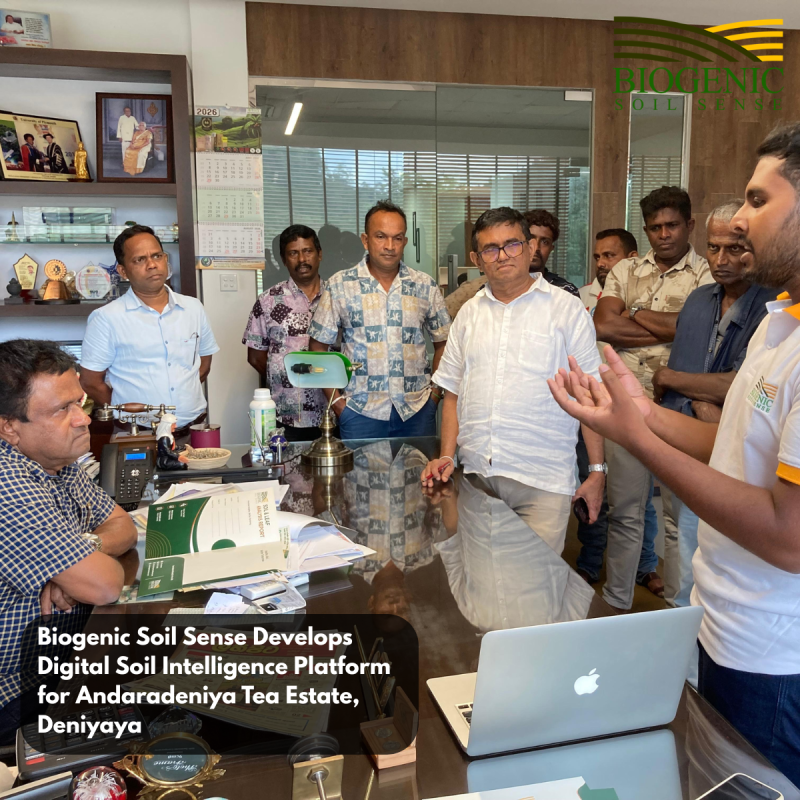
Biogenic Soil Sense Develops Digital Soil Intelligence Platform for Andaradeniya Tea Estate, Deniyaya
-
Posted by