

Blog
Advancing Sensor Based Agricultural Diagnostics in Sri Lanka: Dr. Matteo Poggio Visits the Sugarcane Research Institute
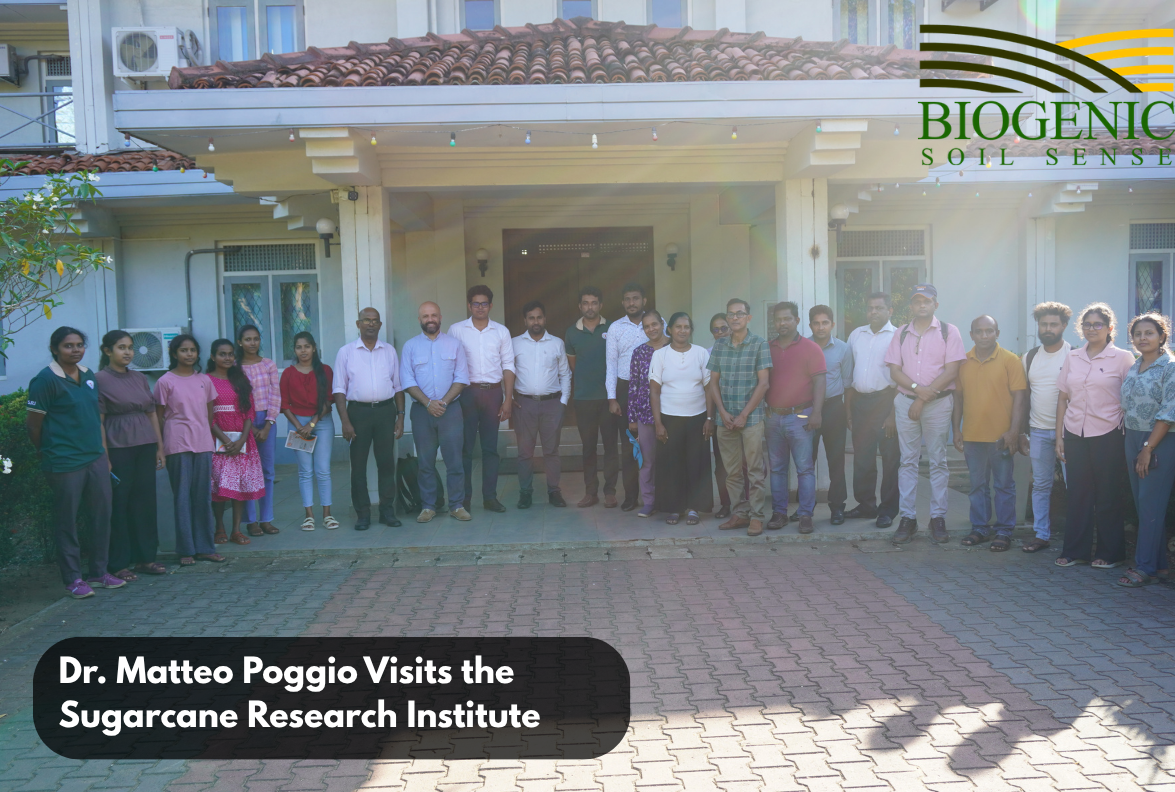
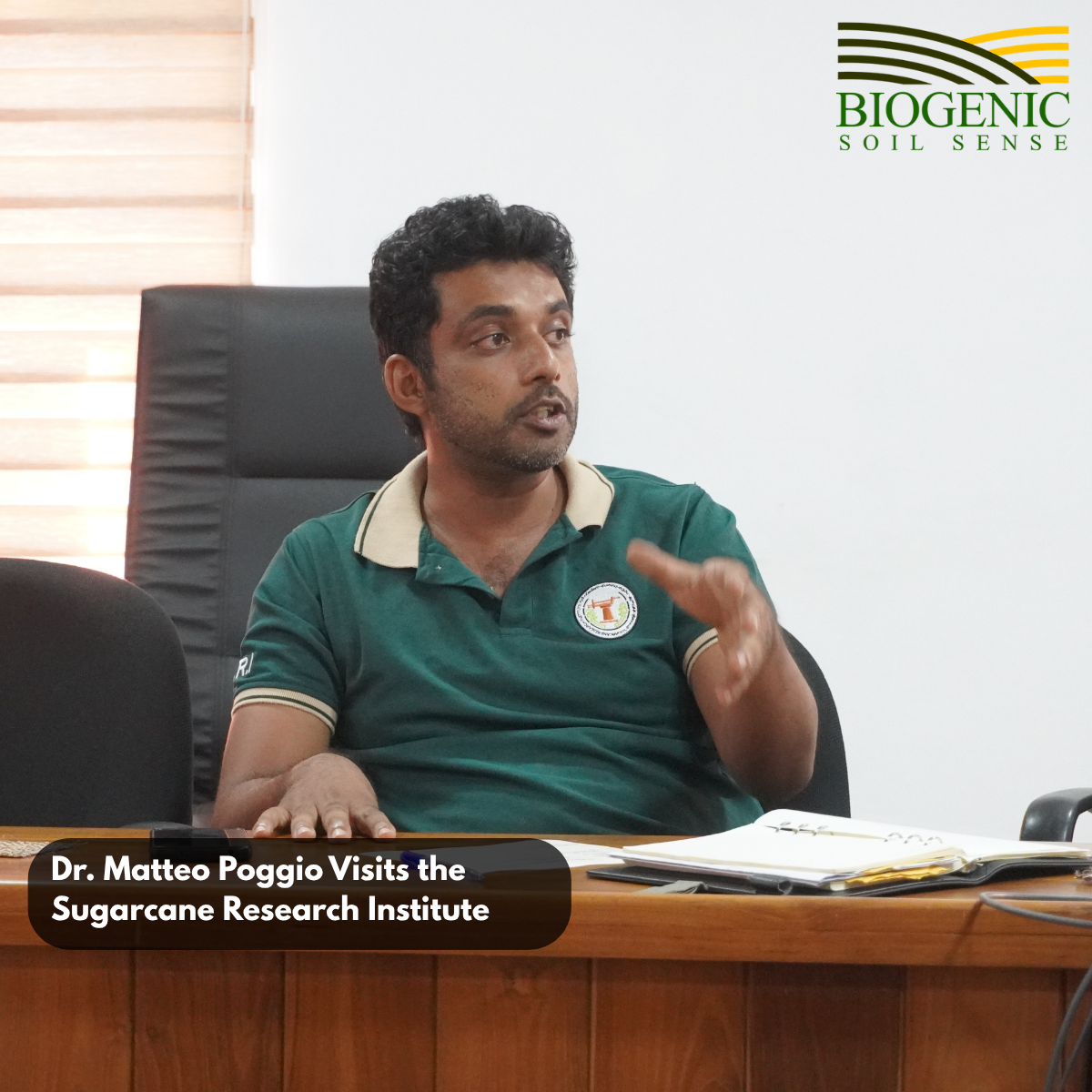
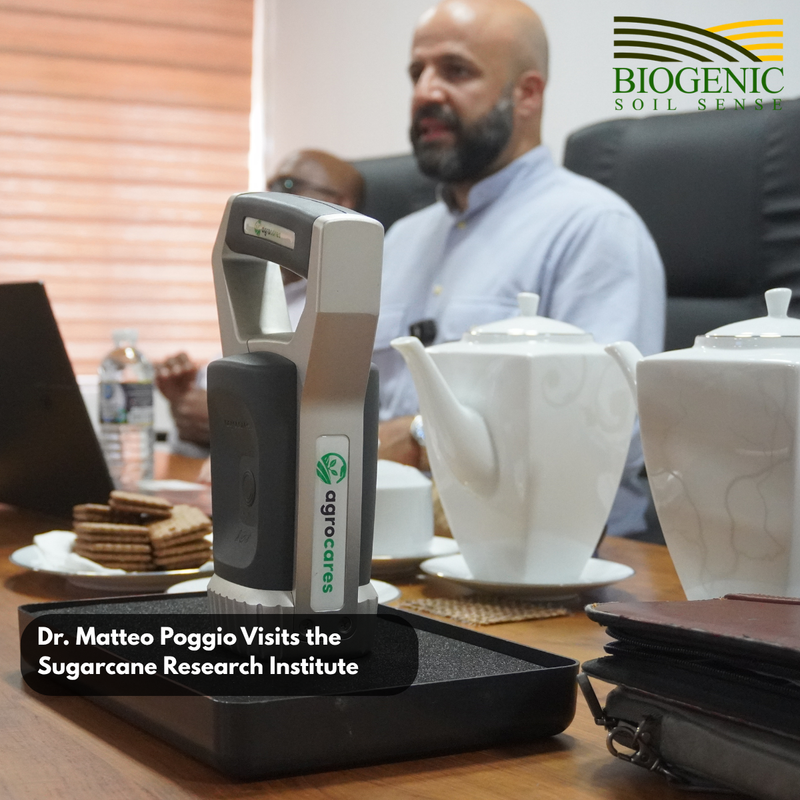
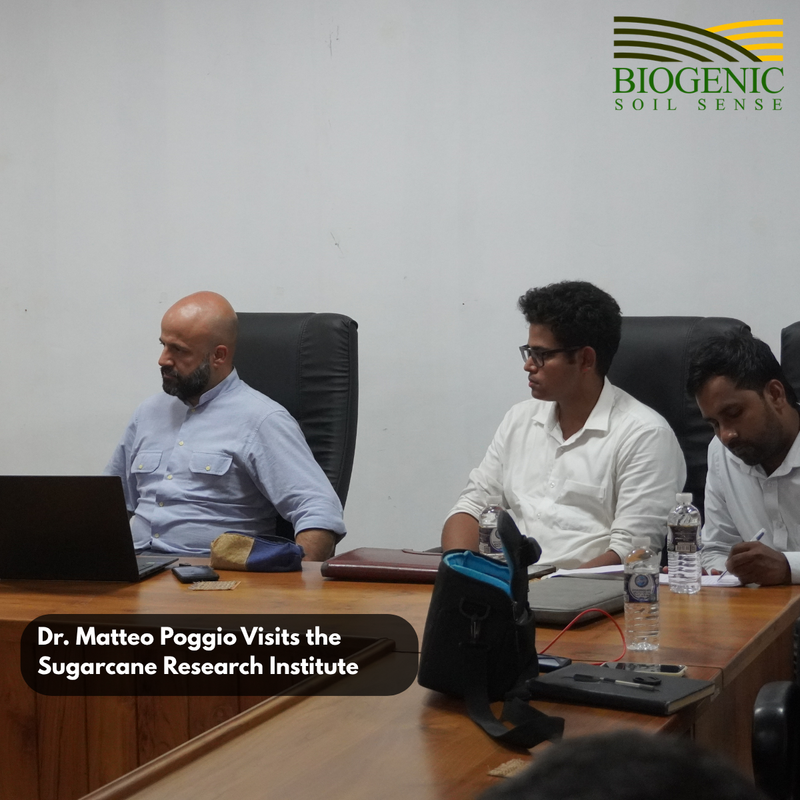
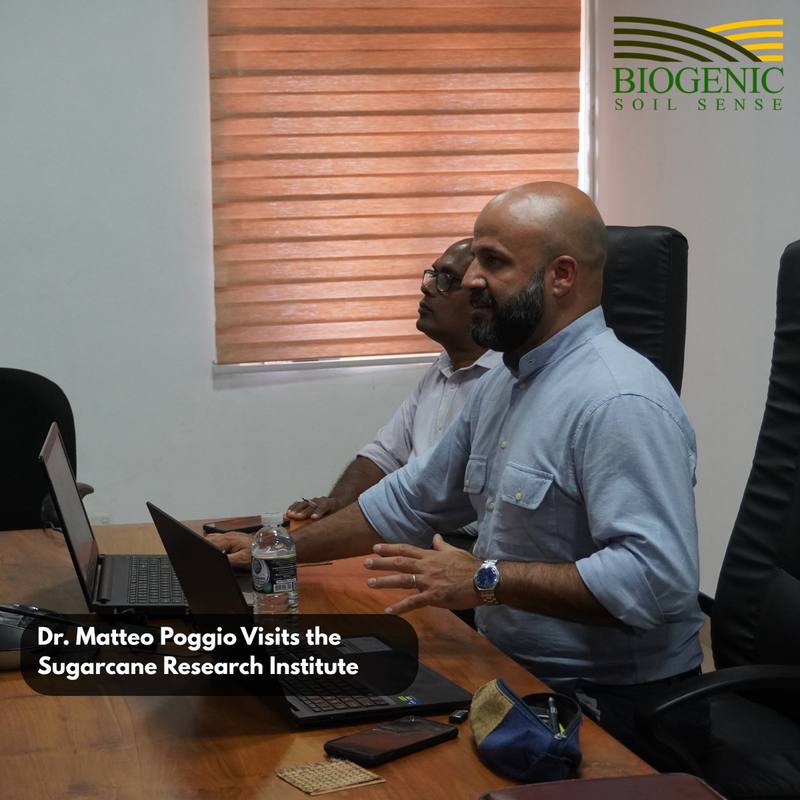
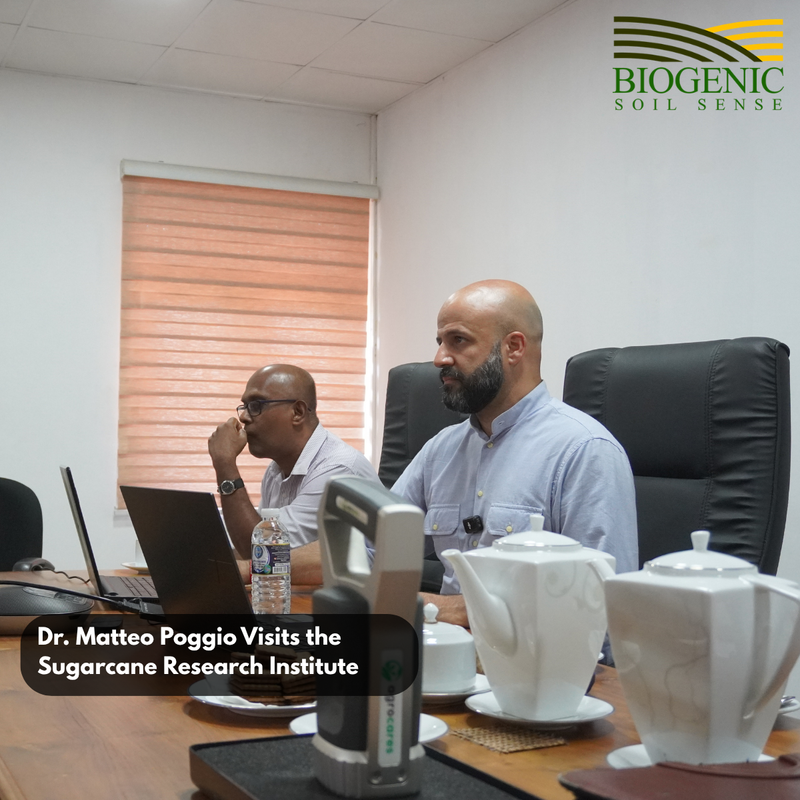
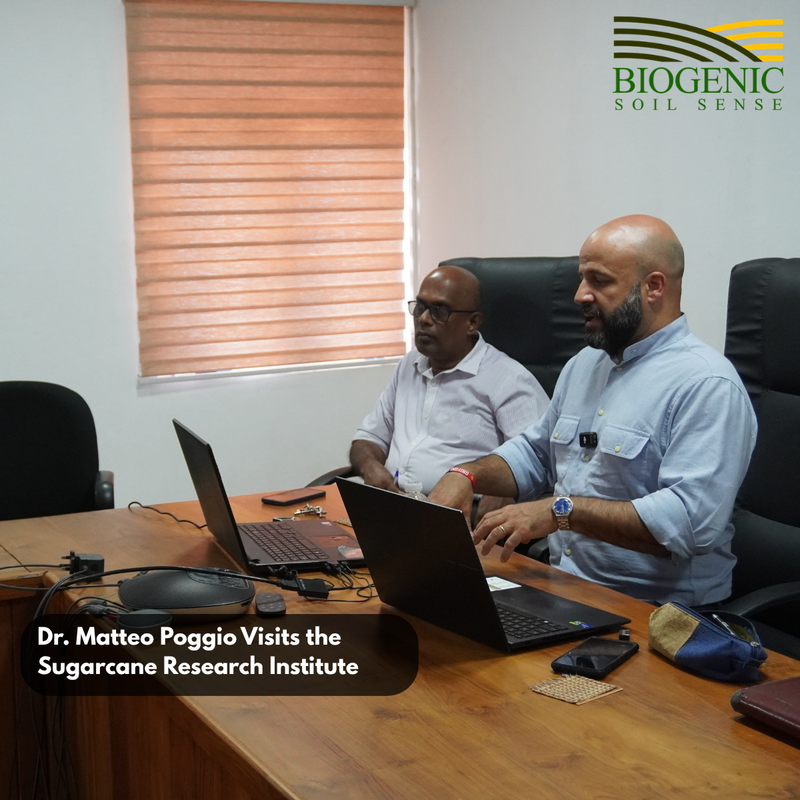
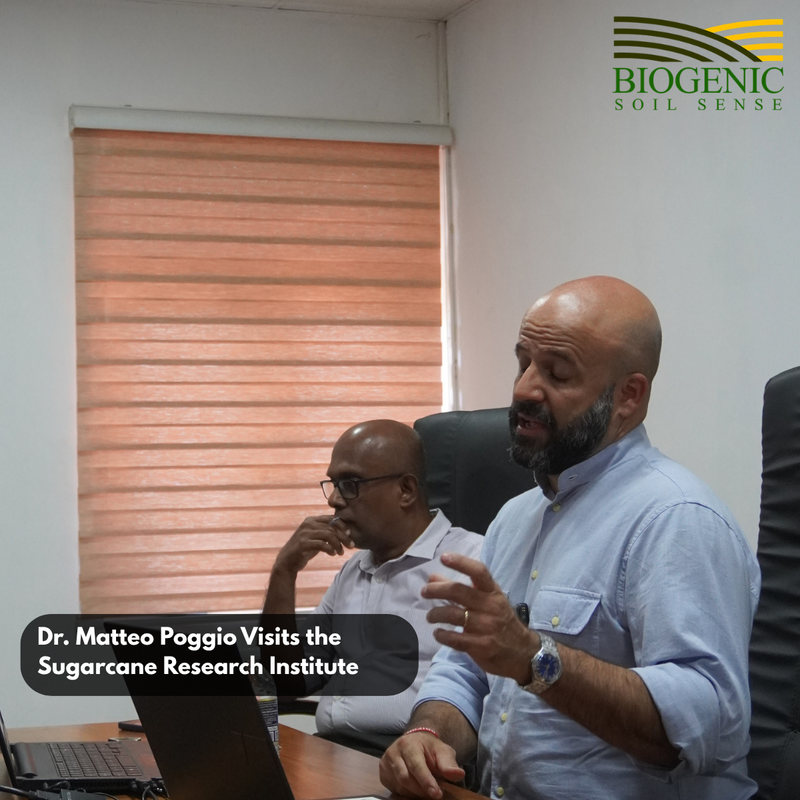
Biogenic Soil Sense (Pvt) Ltd., in partnership with AgroCares, Netherlands, is advancing the introduction of rapid, portable Near Infrared (NIR) sensor based diagnostics for soil, plant leaves and animal feed in Sri Lanka. As part of this initiative, Dr. Matteo Poggio, Senior Soil Scientist at AgroCares, visited the Sugarcane Research Institute (SRI), Uda Walawe, for a technical knowledge-sharing programme with senior SRI scientists and the Biogenic Soil Sense team.
The programme explored the science behind NIR spectroscopy, molecular spectral interactions, advanced analytical models, and the importance of proper calibration in converting spectral information into meaningful agricultural data. Discussions also focused on the potential of rapid soil and leaf diagnostics to support site specific fertilizer and nutrient management in Sri Lanka’s sugarcane sector.
As a practical component of the programme, sugarcane leaf samples covering the sugarcane varieties represented in SRI research fields were collected to contribute to further calibration and improvement of the sugarcane leaf analytical model. The programme represents another important step in connecting Sri Lankan agricultural research with advanced sensor science, calibration and data-driven nutrient diagnostics.
Bringing Advanced Agricultural Diagnostics to Sri Lanka
Biogenic Soil Sense is pioneering the introduction of advanced sensor based nutrient diagnostic technologies to Sri Lankan agriculture through its partnership with AgroCares, Netherlands.
The initiative focuses on making advanced analysis of soil, crop leaves and animal feed faster and more accessible through portable NIR scanning technology, scientifically developed calibration models and modern data analytics.
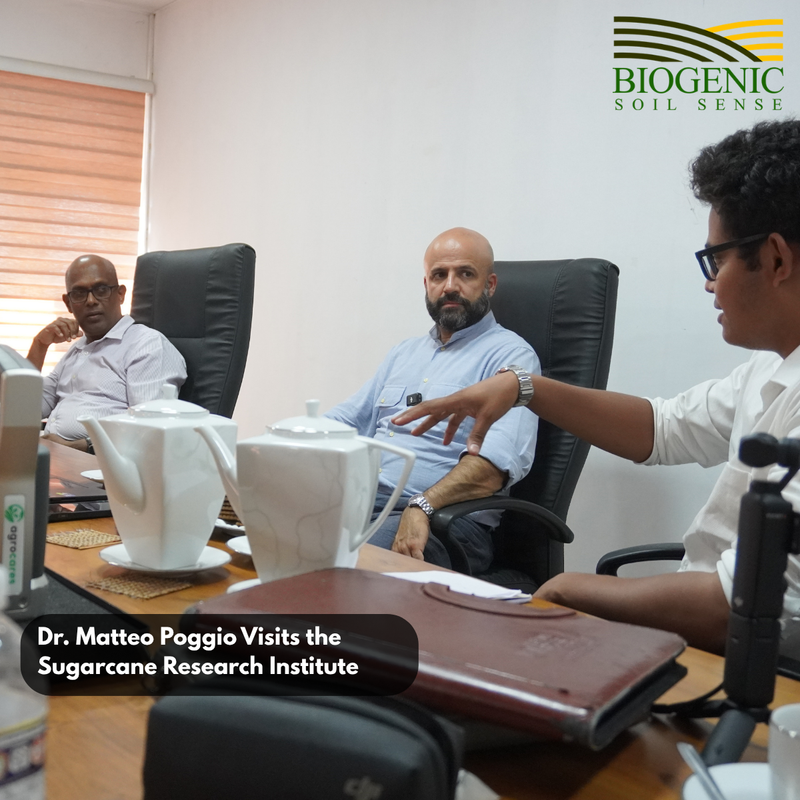
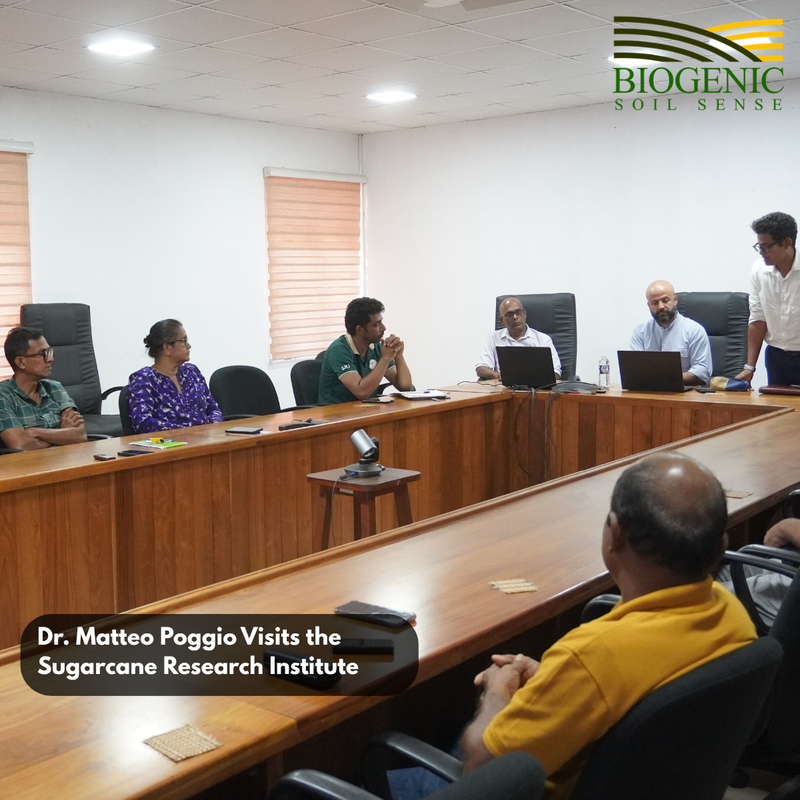
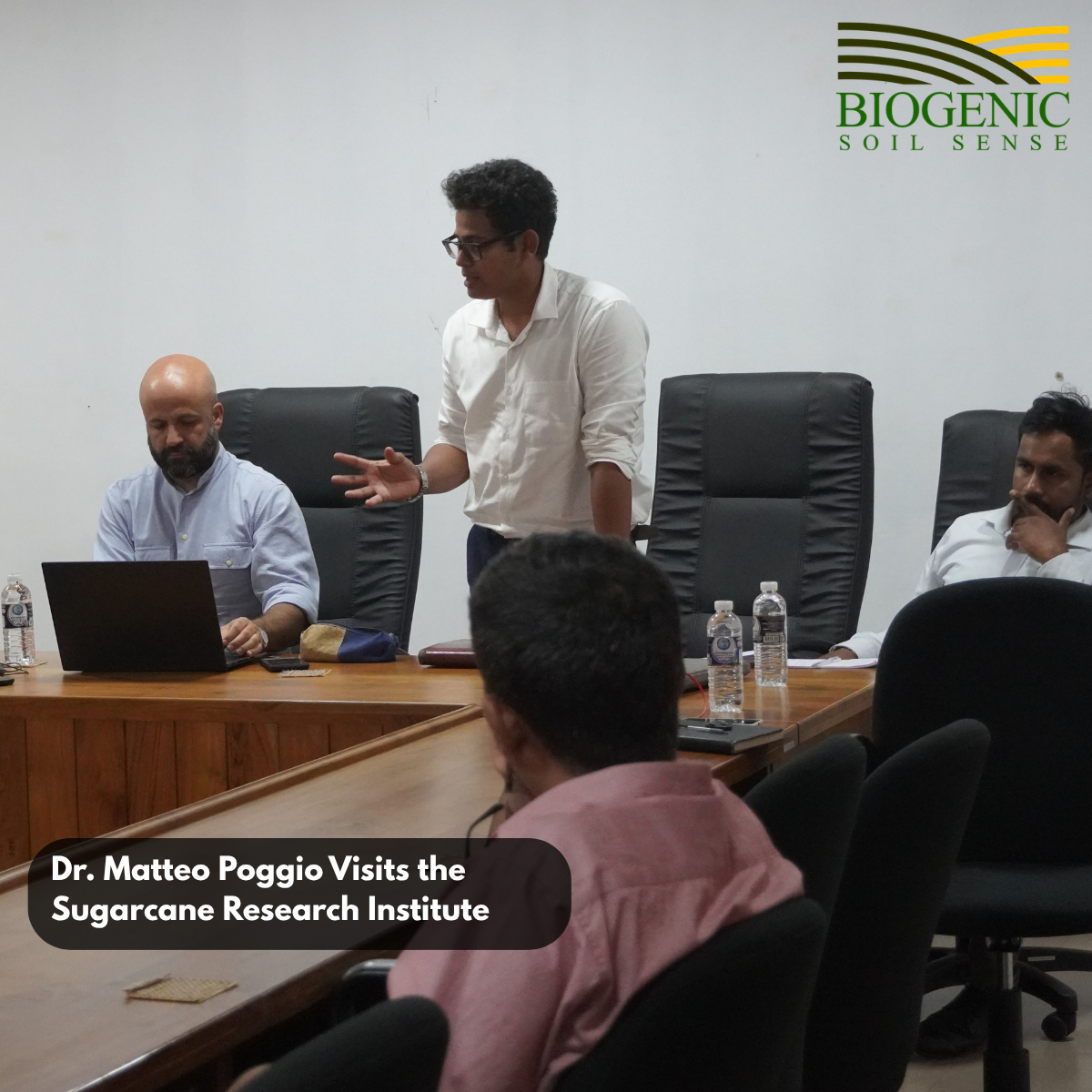
As part of this continuing technology and knowledge sharing programme, Biogenic Soil Sense organized a technical session at the Sugarcane Research Institute, Udawalawe, bringing together expertise in sugarcane research, soil science, crop nutrition and sensor based diagnostics.
The programme was attended by senior scientists and technical professionals of SRI together with Dr. Thulitha Ranwala, Founder of Biogenic Soil Sense; Eng. Isuru Nirmana, Co-Founder of Biogenic Soil Sense; and Dr. Matteo Poggio, Senior Soil Scientist at AgroCares, Netherlands.
Understanding the Science Behind NIR Diagnostics
During the technical session, Dr. Matteo Poggio provided an in depth introduction to the science behind modern sensor based agricultural diagnostics.
Beginning with the electromagnetic spectrum, he explained how different regions of electromagnetic radiation are applied across everyday technologies, industrial systems, scientific instrumentation and aerospace applications.
The discussion then moved into Near Infrared (NIR) and Mid Infrared (MIR) spectroscopy, explaining how electromagnetic radiation interacts with molecular structures and how these interactions generate spectral information that can be used to understand the composition and characteristics of agricultural materials.
Particular attention was given to why NIR spectroscopy has become valuable for practical agricultural applications. Its combination of speed, portability and ability to analyse complex materials with minimal sample preparation creates opportunities to move analytical capability closer to farms, plantations and agricultural research environments.
From Spectral Signals to Agricultural Information
A central message of the session was that the NIR sensor itself is only one component of the analytical system.
Transforming a spectral signal into useful information about soil, leaves or animal feed requires high quality reference laboratory data, representative calibration samples and advanced analytical models
Dr. Poggio explained how large datasets can be used to establish relationships between spectral characteristics and agricultural parameters. Modern computational approaches, including machine learning and deep learning techniques, can help identify complex relationships within these datasets.
For soil applications, appropriately developed models can support rapid assessment of parameters associated with Nitrogen, Phosphorus, Potassium, Moisture, macro and micronutrients, Organic characteristics and selected physical properties, depending on the analytical model and calibration.
The same scientific principles can also be applied to crop leaves and animal feed, with specific models developed for their respective analytical requirements.
Calibration: The Foundation of Reliable Sensor Diagnostics
A major focus of Dr. Poggio’s presentation was the importance of proper calibration.
Spectral characteristics can vary according to soil composition, mineralogy, organic matter, moisture, variety and many other factors. Reliable sensor diagnostics therefore depend on strong calibration datasets linked to accurate reference laboratory measurements.
The principle can be summarized as:
Representative Samples → NIR Spectral Measurement → Reference Laboratory Analysis (Wet chemistry analitics in Global Standard Laboratary GLS in Netherlands WEPAL ISO17025) → Calibration & Model Development → Model Testing → Continuous Model Improvement
This calibration process is fundamental to transforming spectral information into useful agricultural measurements and continuously strengthening analytical performance.
BSS Expands Soil and Crop Diagnostic Capabilities
Biogenic Soil Sense has now completed a major phase of its Sri Lanka wide soil calibration programme, enabling the company to offer rapid assessment of 16 important soil parameters, irrespective of the crop being cultivated.
This creates opportunities for farmers, agronomists, researchers and agricultural institutions to obtain a broader understanding of soil fertility and soil condition through rapid sensor based assessment.
Beyond soil analysis, BSS and AgroCares are progressively expanding crop leaf nutrient diagnostic capabilities.
Work on sugarcane and maize leaf analysis has already progressed in Sri Lanka by AgroCares’ global analytical models and calibration framework. Calibration work for Rice, Tea and Coconut leaf analysis is also progressing through collaboration involving Biogenic Soil Sense together with the University of Ruhuna, AgroCares and its laboratory facilities in the Netherlands.
The combination of soil and leaf analysis is particularly valuable. Soil diagnostics help characterize the nutrient environment available to the crop, while leaf diagnostics provide additional insight into the nutritional status of the growing plant.
Together, these technologies can provide a stronger scientific foundation for more precise nutrient-management decisions.
Sugarcane Leaf Samples Collected at SRI
The visit also moved beyond technical discussion into practical scientific work.
Together with scientists of the Sugarcane Research Institute, the team collected sugarcane leaf samples from SRI research fields, covering the lot of sugarcane varieties represented within the Institute’s research programme.
Dr. Poggio explained how these additional calibration samples can help broaden the range of biological and spectral variation represented within an analytical dataset.
By linking carefully selected samples with reference analytical measurements and NIR spectral information, calibration datasets can be progressively strengthened. The samples can therefore contribute to further improvement of the sugarcane leaf analytical model and increase the diversity of information available for continuing model utilization in Sri Lanka as well as model development.
Towards Site Specific Nutrient Management in Sugarcane
The Sugarcane Research Institute scientists also shared its experience in supporting the development of Sri Lanka’s sugar industry and highlighted the importance of adopting new technologies to improve productivity and resource use efficiency.
An important area of discussion was site specific fertilizer application.
Soil conditions can vary considerably between locations, even within the same agricultural region. Better access to rapid soil and crop nutrient information creates opportunities to understand this variability and make fertilizer decisions based on actual field conditions rather than relying solely on generalized assumptions.
For sugarcane, combining rapid soil diagnostics, leaf nutrient analysis and GPS tagged field information could provide researchers, agronomists and growers with a more detailed understanding of both the soil nutrient environment and the nutritional status of the growing crop.
Connecting Research, Calibration and Digital Agriculture
The SRI programme demonstrated the value of bringing together international sensor expertise, Sri Lankan agricultural research and field level crop knowledge.
For Biogenic Soil Sense, the objective extends beyond introducing a portable analytical instrument. It is about developing an ecosystem that connects representative agricultural sampling, reference laboratory analysis, calibration, advanced analytical models and rapid field level diagnostics.
As Sri Lankan agriculture increasingly seeks to improve fertilizer use efficiency, productivity and soil health, access to timely and scientifically meaningful nutrient information will become increasingly important.
Through its partnership with Biogenic Soil Sense collaboration with Sri Lankan research and academic institutions is working to bridge advanced sensor science with practical agricultural decision making.
The visit of Dr. Matteo Poggio to the Sugarcane Research Institute represents another important step in this journey towards Rapid diagnostics, Stronger calibration, Digital soil and crop intelligence, and More precise nutrient management for Sri Lankan agriculture.
#BiogenicSoilSense #DailyNews #RapidSoilTesting #NutrientAdvisory #DigitalSoilIntelligence #SriLankaAgriculture
Related Posts

Biogenic Soil Sense Featured in Daily News
-
Posted by
BSS
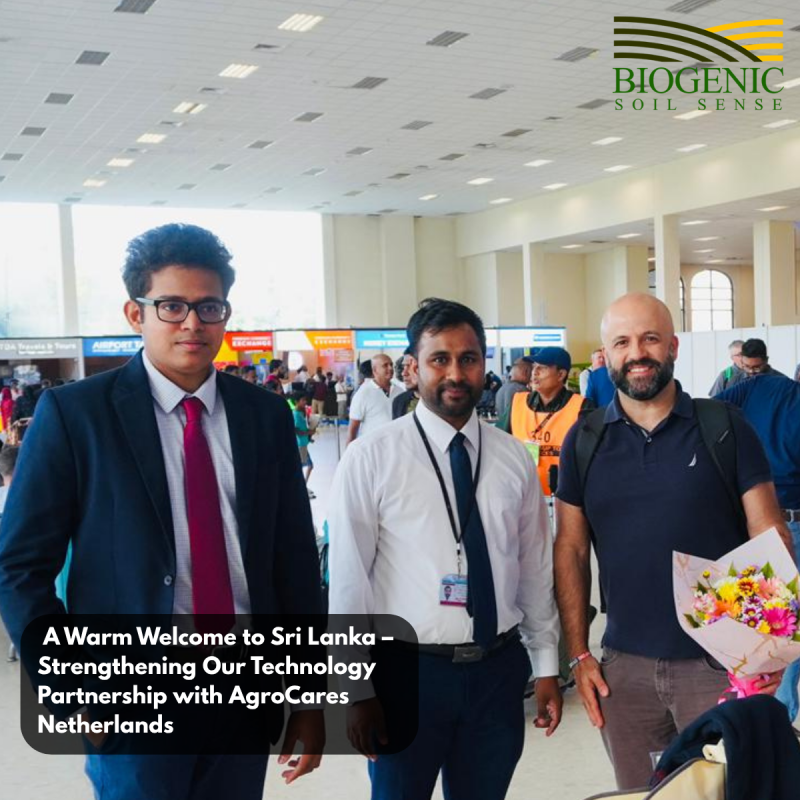
A Warm Welcome to Sri Lanka – Strengthening Our Technology Partnership with AgroCares Netherlands
-
Posted by

AMPARA SOIL HEALTH CAMP
-
Posted by
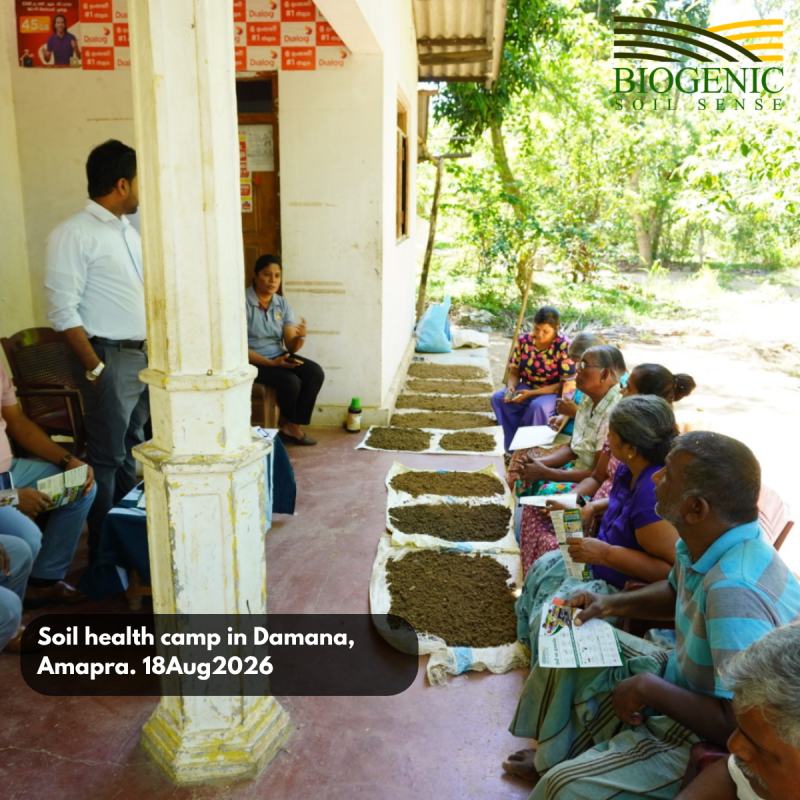
Soil health camp in Damana, Amapra. 18Aug2026
-
Posted by
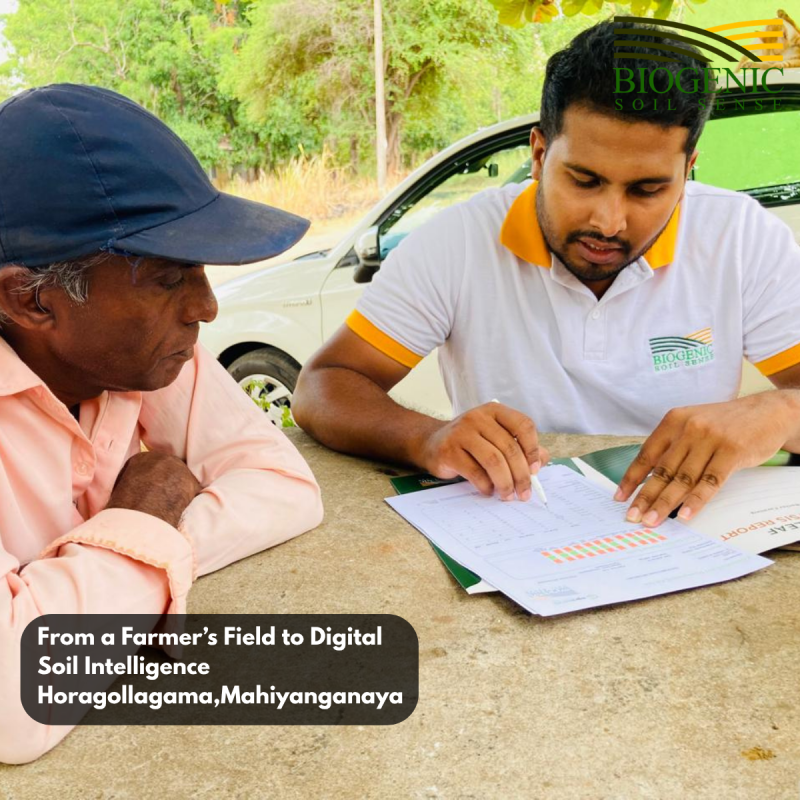
Building Sri Lanka’s First Digital Soil Intelligence System — One Farm at a Time
-
Posted by
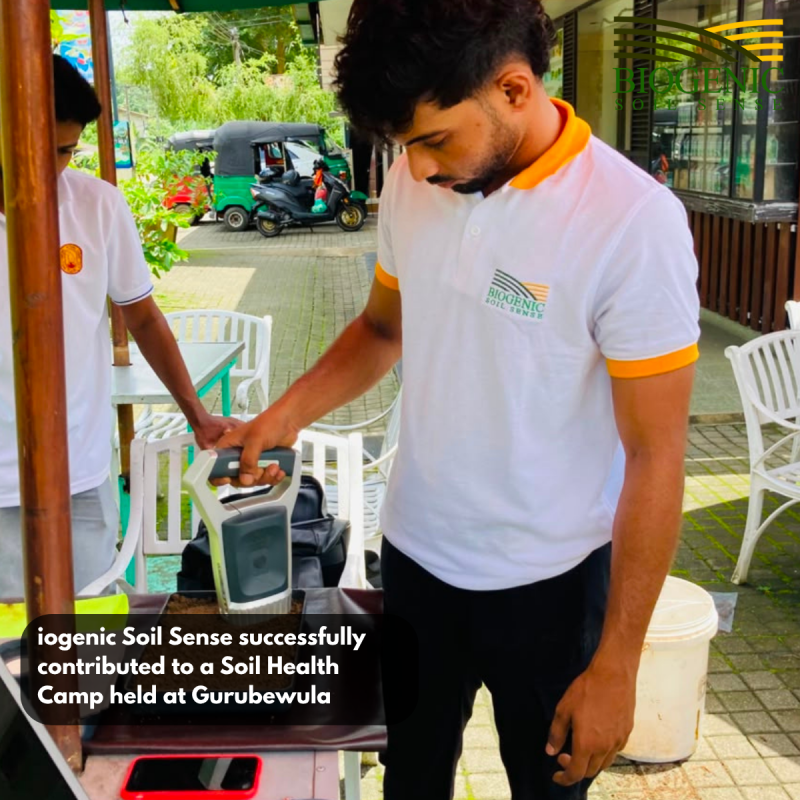
Biogenic Soil Sense successfully contributed to a Soil Health Camp held at Gurubewula, bringing rapid soil analysis and practical nutrient advisory directly to the farming community.
-
Posted by
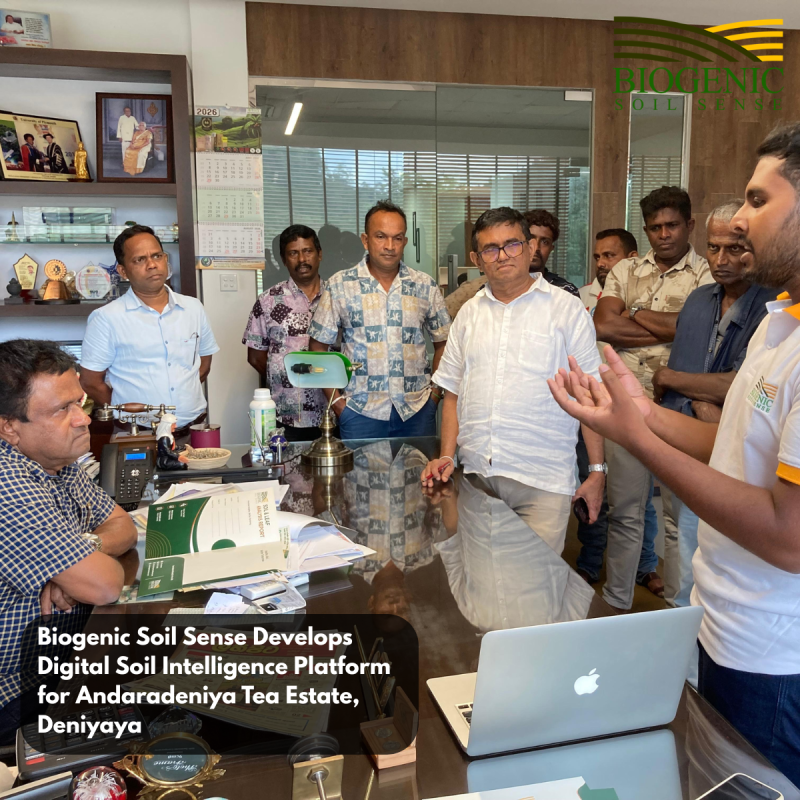
Biogenic Soil Sense Develops Digital Soil Intelligence Platform for Andaradeniya Tea Estate, Deniyaya
-
Posted by
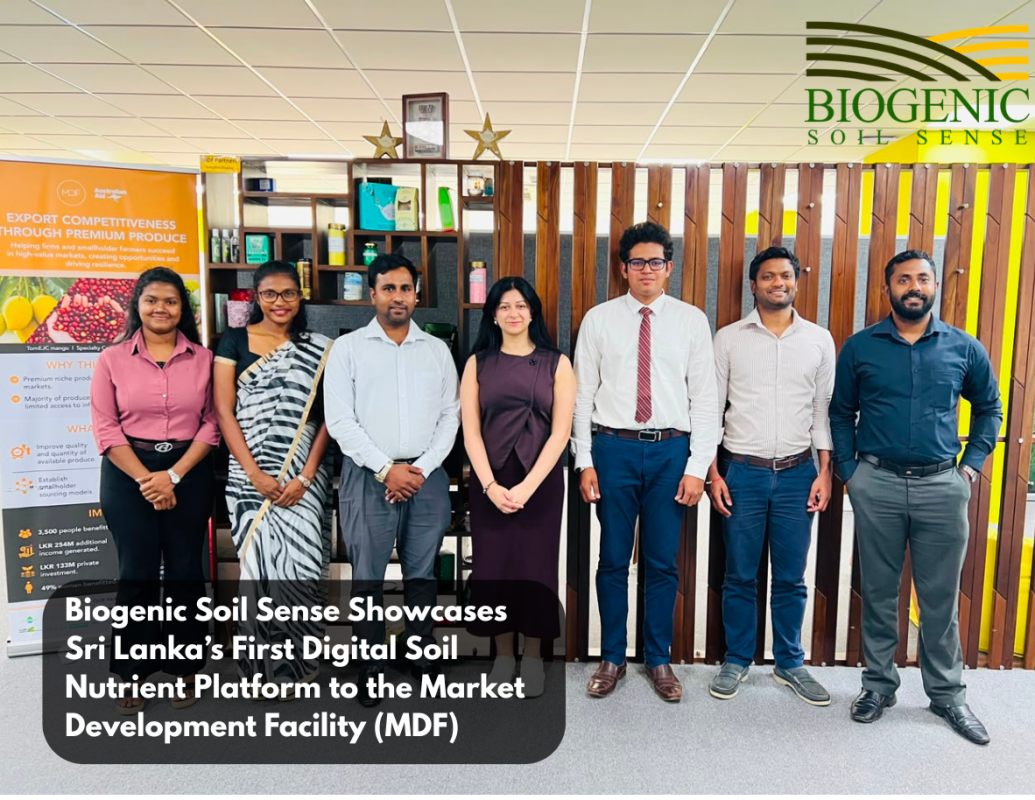
Biogenic Soil Sense Showcases Sri Lanka’s First Digital Soil Nutrient Platform to the Market Development Facility (MDF)
-
Posted by
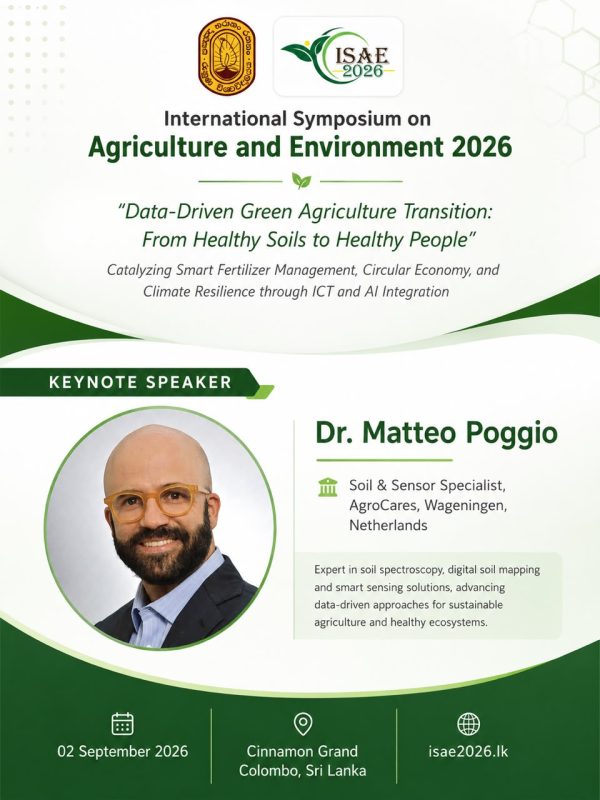
Biogenic Soil Sense Proudly Welcomes Our Technology Partner, Dr. Matteo Poggio, as Keynote Speaker at the University of Ruhuna’s International Symposium on Agriculture and Environment 2026
-
Posted by
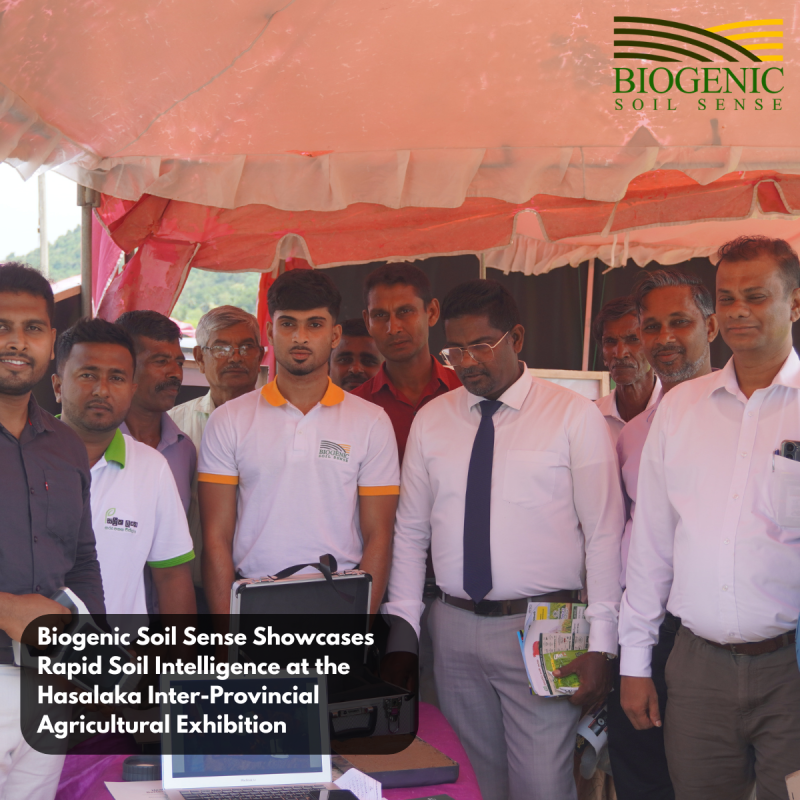
Biogenic Soil Sense Showcases Rapid Soil Intelligence at the Hasalaka Inter-Provincial Agricultural Exhibition
-
Posted by
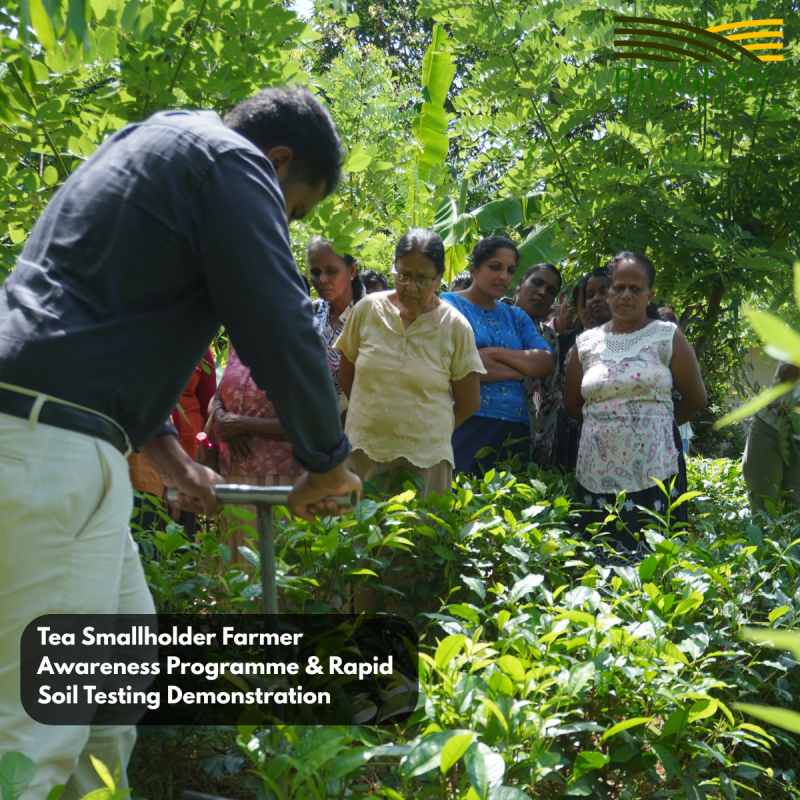
Tea Smallholder Farmer Awareness Programme & Rapid Soil Testing Demonstration
-
Posted by
Your Coconut Land Has Its Own Soil Story. We Turn It Into Intelligence.
-
Posted by